The Quiet Revolution in How Women Dress
It's not dramatic. There's no manifesto, no viral moment that launched it. But in thousands of conversations — in comment sections, in group chats, in changing rooms at thrift stores across the country — the same thing is being said: I'm buying less, and I feel better about it.
The fast fashion model that defined accessible style for the past two decades is facing something it hasn't encountered before: widespread, thoughtful rejection from its core customer base. And the alternatives women are choosing are revealing.
What's Replacing Fast Fashion
The shift isn't toward luxury. For most women, spending hundreds or thousands on a single piece isn't the answer. What's emerging instead is a more eclectic mix:
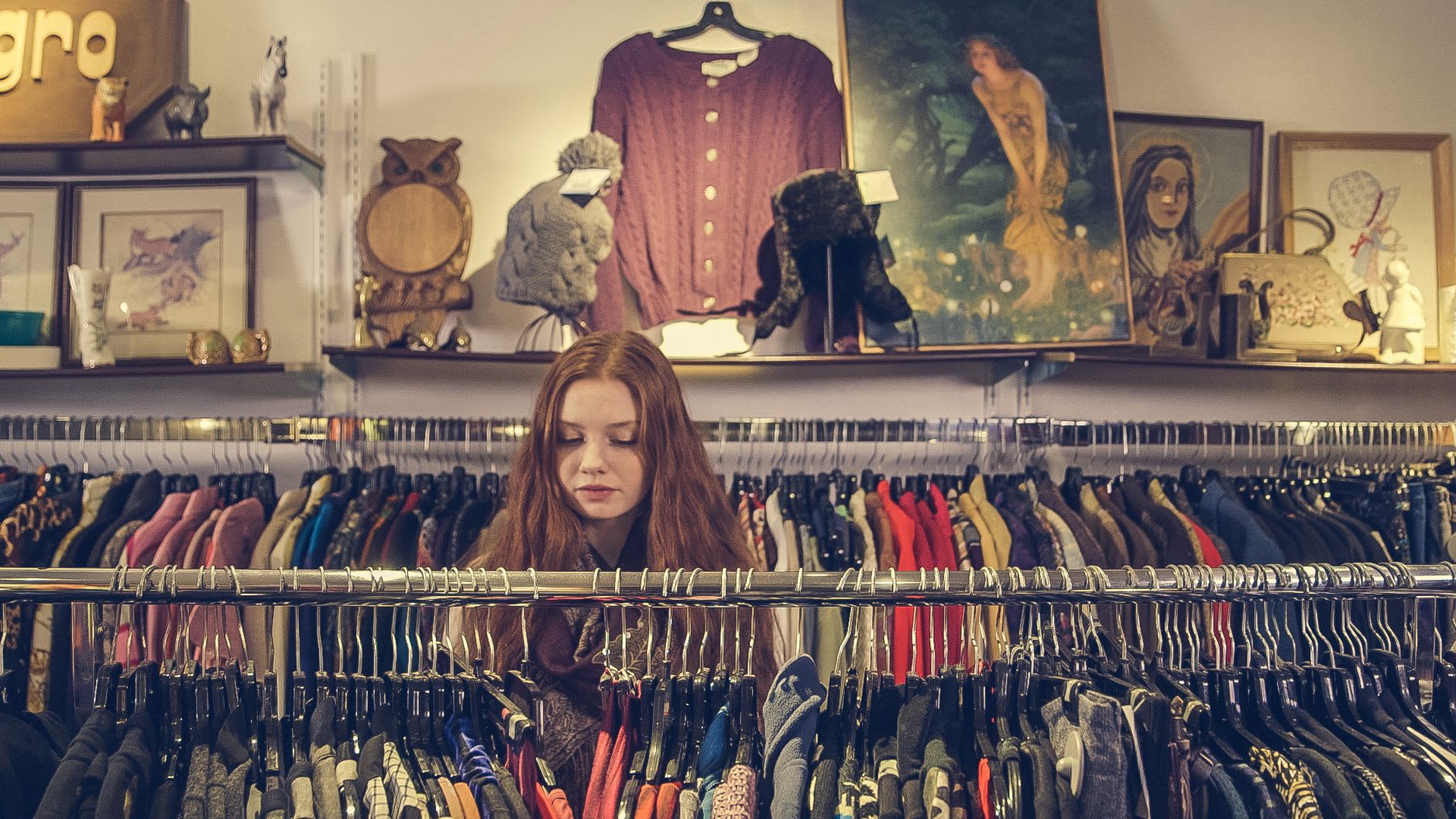
Secondhand and vintage shopping has moved decisively mainstream. Resale platforms report year-over-year growth in every demographic. The appeal is multifaceted — lower prices, unique pieces, and the satisfaction of a more sustainable choice.
Capsule wardrobe thinking — building a small, cohesive collection of versatile pieces rather than accumulating trend-driven items — is gaining genuine traction beyond the minimalism niche.
Local and small-scale makers are benefiting from the trend toward slower consumption. Many women report seeking out independent designers who produce in smaller quantities and at a higher standard of quality.
The Psychology Behind the Shift
What's driving this? Researchers who study consumer behavior point to a combination of factors.
Financial pressure plays a role — fast fashion items often cost less upfront but more over time, as their quality requires frequent replacement. Mounting awareness of environmental impact has also shifted purchasing habits, particularly among younger consumers.
But there's something less tangible too: a growing dissatisfaction with the disposable relationship to clothing that fast fashion encourages.
"I realized I was buying things I didn't actually love because they were cheap and on trend," one woman shared in an online fashion community that has shifted away from haul culture. "Now I buy less, but I actually wear everything I own."
Practical Steps for Shifting Your Own Approach
You don't need to overhaul your wardrobe overnight. Small changes compound over time:
- Before buying anything new, check resale platforms first
- Adopt a one-in, one-out policy to naturally slow accumulation
- Identify the 10 pieces you actually wear most and build around them
- Set a waiting period of several days before purchasing anything non-essential
The Fashion Industry Response
Major retailers are watching this shift carefully. Several have launched secondhand or rental programs in response — though critics note these often represent marketing more than genuine structural change.
The most meaningful changes, it seems, are happening quietly, one purchase at a time, in the choices women make for themselves.