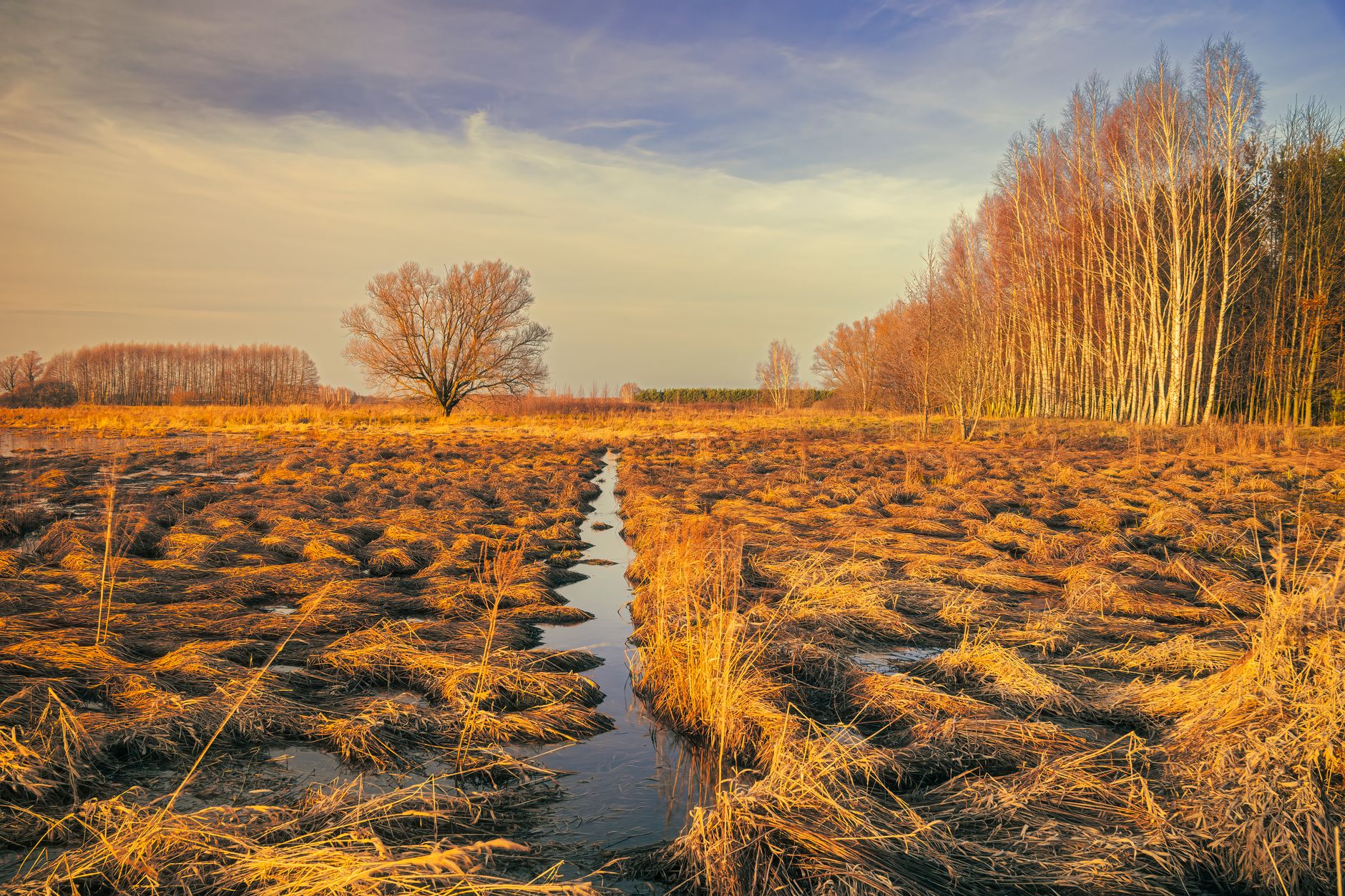
Wetlands, which encompass marshes, bogs, swamps, and floodplains, are among the most ecologically productive and functionally important ecosystems on Earth. They have also been among the most systematically destroyed, with an estimated 35 percent of natural wetlands lost since 1970, a rate of loss three times faster than that of forests.
The Functions No Other Ecosystem Provides
Wetlands perform water filtration at a scale and efficiency that no engineered system matches: vegetation and sediment remove nitrogen, phosphorus, and heavy metals from water moving through the system. Coastal wetlands, particularly mangroves and salt marshes, provide the most cost-effective coastal storm protection available, absorbing wave energy during storms and reducing flooding damage in adjacent developed areas by 50 to 70 percent in studies conducted after major storm events.
The carbon sequestration capacity of peatlands is extraordinary relative to their area. Peatlands, which cover approximately three percent of Earth's land surface, store twice as much carbon as all forests combined, representing accumulated thousands of years of preserved organic material. Their drainage for agriculture releases this carbon as CO2, making peatland conservation among the highest-leverage climate interventions available.
Why They Matter for Biodiversity
Wetlands support approximately 40 percent of the world's species while covering only six percent of land area. Migratory birds depend on wetland stopover points for rest and feeding during long migrations, meaning the loss of individual wetlands affects bird populations across entire flyways.
The economic valuation of wetland services, clean water provision, flood protection, fish nursery habitat, and carbon storage, consistently exceeds by orders of magnitude the economic value of conversion to agriculture or development.