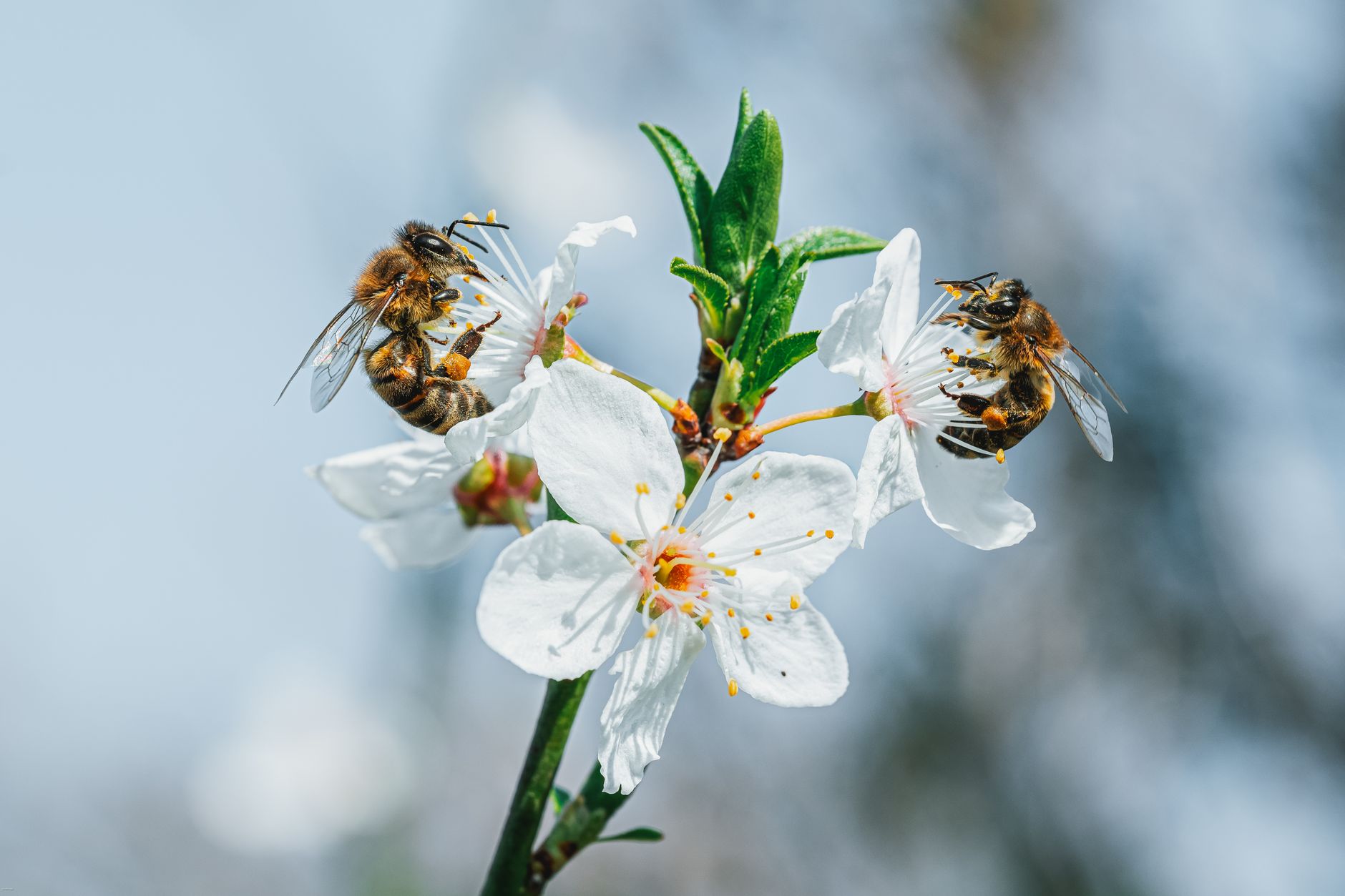
The dependence of global food systems on bee pollination is a well-established fact that has not produced proportional public concern. Approximately 70 percent of the world's 100 most important food crops depend on bee pollination. The economic value of this pollination service is estimated at hundreds of billions of dollars annually, a figure that does not capture the ecological value of the plant communities that depend on pollination regardless of commercial relevance.
The Complexity of a Bee Colony
Honeybee colonies function as superorganisms, with individual bees fulfilling specialized roles that collectively produce a colony functioning. Worker bees live approximately six weeks in summer, during which they progress through a sequence of roles: nurse bees caring for larvae, wax producers building comb, guard bees protecting the colony entrance, and forager bees gathering pollen and nectar.
The communication system that allows foragers to direct colony members to food sources, the waggle dance, is one of the most sophisticated non-human communication systems known. The dance encodes both direction relative to the sun and distance to the food source with remarkable precision.
What Threatens Them
The Varroa mite, introduced to Western honeybee populations in the mid-20th century, remains the most significant threat to managed honeybee colonies. It parasitizes developing bees and transmits viruses that weaken colonies.
Neonicotinoid insecticides, applied as seed coatings or soil treatments and taken up by plants systemically, appear in pollen and nectar consumed by bees and produce sublethal effects on navigation, learning, and reproduction even below acutely toxic doses. Habitat loss reducing the diversity of flowering plants available has reduced nutritional quality for wild and managed bees alike.