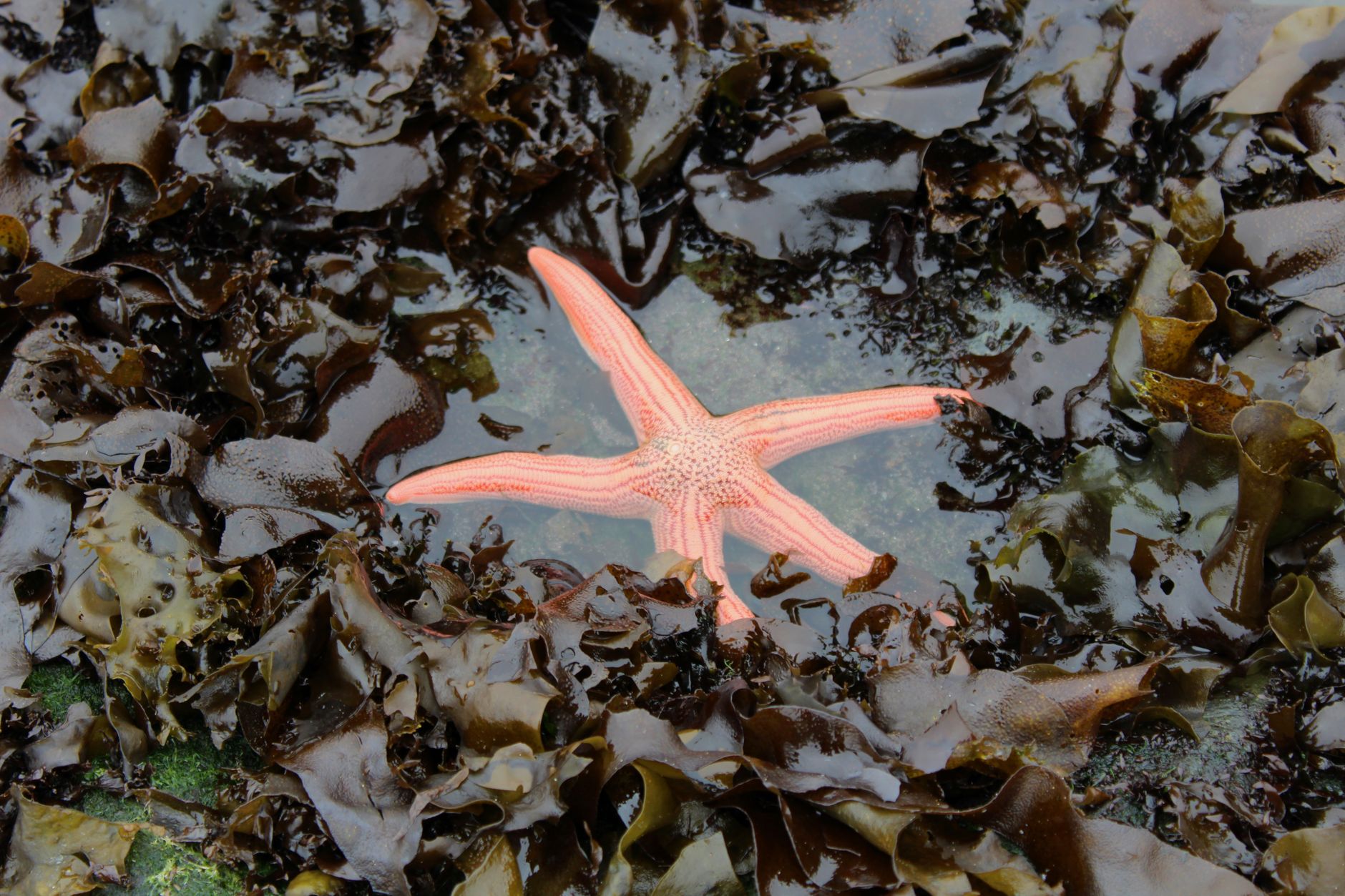
Tide pools are the marine world's most accessible laboratory: small rocky depressions filled and emptied twice daily by ocean tides that concentrate extraordinary biodiversity into a space observable without any equipment beyond curiosity and low tides.
The Zonation Pattern
Tide pool ecology is organized in clear vertical zones determined by how long each area is submerged versus exposed. The high intertidal zone, exposed for most of each tidal cycle, hosts organisms adapted to extreme desiccation and temperature variation: periwinkle snails, limpets, and barnacles that can seal themselves shut against moisture loss. The mid-intertidal zone is submerged for roughly half of each tidal cycle and hosts mussels, anemones, and a greater diversity of algae. The low intertidal zone, exposed only briefly during the lowest tides, contains the greatest species diversity: sea stars, urchins, nudibranchs, and fish that are rarely visible from above water.
How to Observe Respectfully
The ecological sensitivity of tide pools requires specific visitor behavior. Never remove any living organism, including shells that may still be occupied. Replace rocks overturned to look beneath them. Walk only on bare rock, not on algae-covered surfaces or on mussel beds.
The best tide pool observation happens during the lowest tides of the month, which occur around new and full moons. Arriving 30 minutes before the predicted low tide and staying until the tide returns allows maximum viewing time. Tide charts specific to your location are available from NOAA or equivalent national meteorological services.