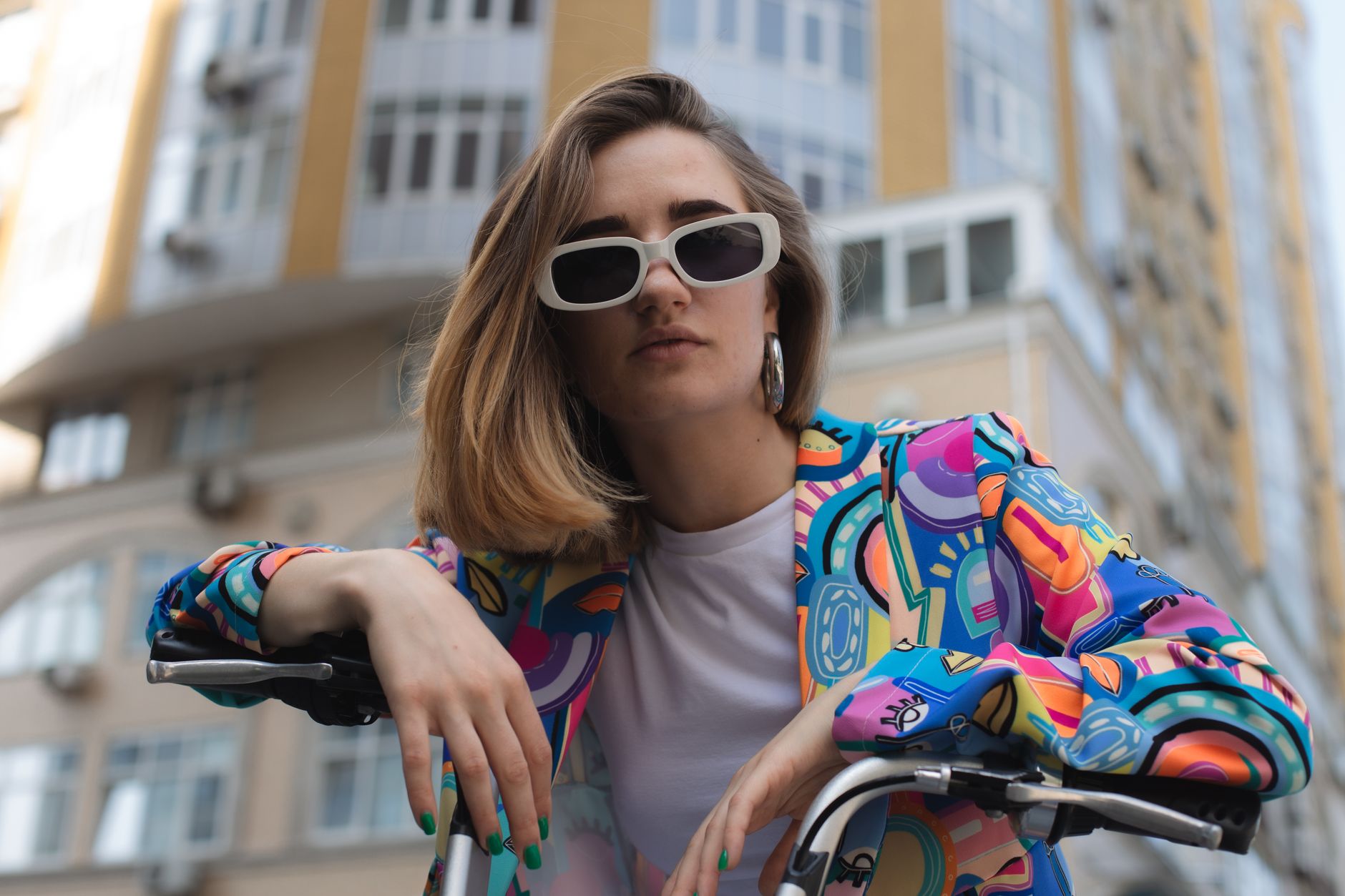
The Rule That Ran Fashion for Decades
It was treated as gospel for the better part of three decades: never mix prints. Stripes with florals was a visual crime. Plaids with geometrics were an act of deliberate chaos. But in 2026, according to stylists on both coasts, that rule is not just bending — it is being intentionally broken as a statement of mastery.
Why the Reversal Now?
Fashion historians point to a generational shift in who is setting the cultural tone. Younger consumers, who grew up with instant access to global street style, have developed a visual fluency that makes the old guardrails feel patronizing. They have seen the full spectrum of what fashion can do, and "rule-following" increasingly reads as timidity rather than elegance.
"The women who are dressing the most interestingly right now are the ones who understand why the rules existed before they break them," one stylist with a decades-long career reportedly observed.
How It's Being Done Well
The key to successful print mixing, according to those now advocating for it, lies in scale variation and color anchoring. Pair a large-scale print with a small-scale one, and ensure both share at least one color. This creates visual coherence without uniformity — the eye has a path to follow without being overwhelmed.
The Pieces Leading the Charge
Striped trousers paired with a floral blouse have emerged as the most referenced combination in editorials this season. A plaid blazer over a polka-dot top is reportedly appearing frequently on the personal style accounts of several fashion editors who set the tone for major publications.
A Word of Caution
Even the rule-breakers acknowledge that context matters. A boardroom still calls for a more restrained approach; the grocery run is your experimentation ground. The goal, as one stylist framed it, is "calculated chaos" — not actual chaos.
Fashion's most exciting moment is the one where you know the rules well enough to discard them.