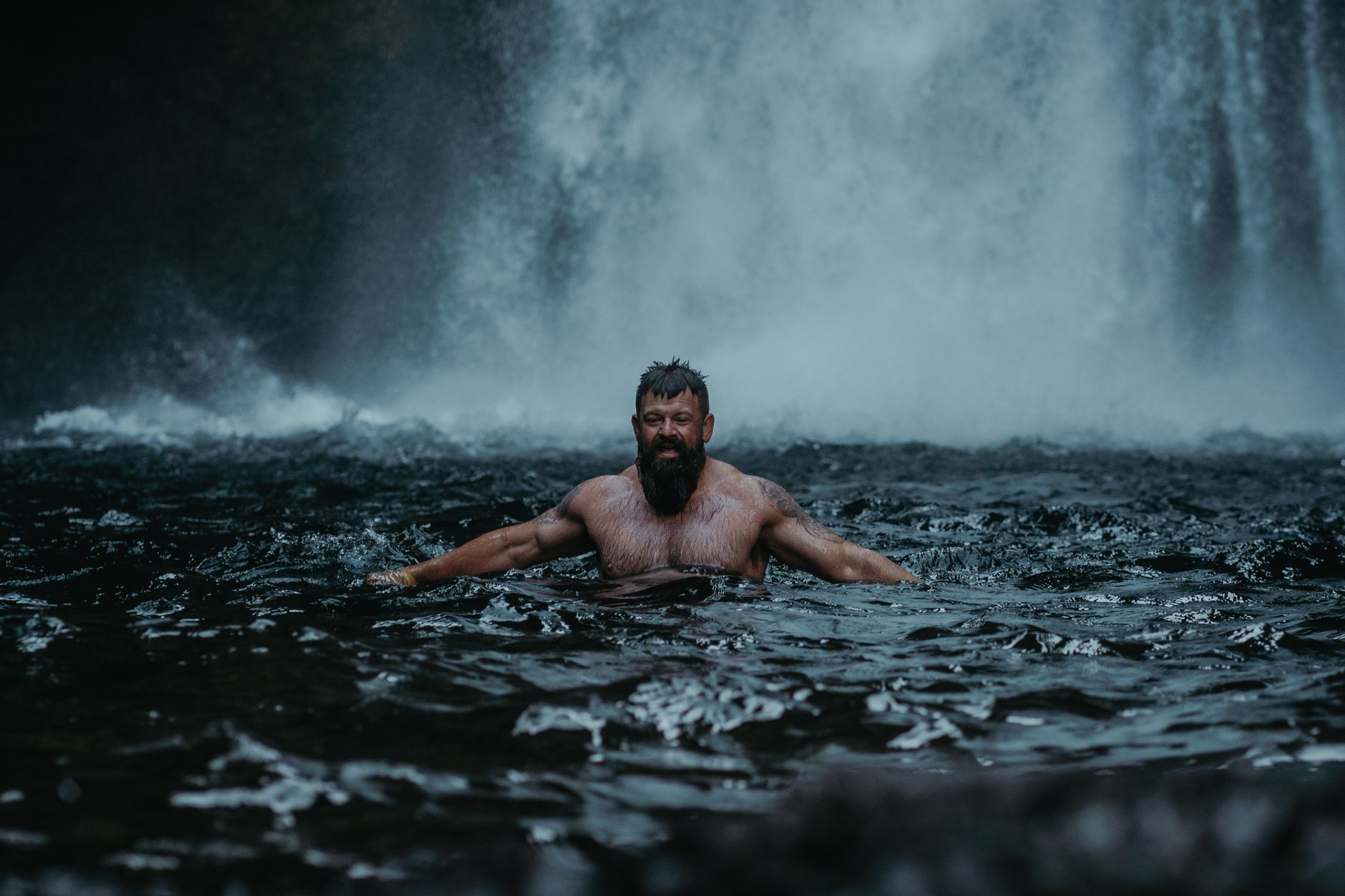
Wild swimming, swimming in natural bodies of water, rivers, lakes, and sea rather than chlorinated pools, has experienced a surge in popularity that goes beyond trend status. The combination of community, connection to natural environments, and the well-documented physiological effects of cold water immersion has created a genuinely sticky practice with adherents who describe it in transformative terms.
The Cold Water Effect
The physiological response to cold water immersion is dramatic and immediate. The cold shock response is followed by peripheral vasoconstriction, redistribution of blood toward vital organs, and a norepinephrine surge that most practitioners describe as intensely activating and euphoric. Regular cold water swimmers adapt to this response over time, developing a higher threshold before cold shock occurs.
Research into the psychological effects of cold water immersion is accumulating. Studies show that participants in supervised cold water swimming programs showed significant improvements in mood scores. The proposed mechanism involves the high concentration of cold receptors in the skin generating an overwhelming sympathetic stimulus that may interrupt depressive thought patterns.
Getting Started Safely
Wild swimming has genuine safety considerations that pool swimming does not. Current assessment, water quality awareness, entry and exit point scouting, and cold acclimatization are prerequisites for safe practice. Swimming with experienced others, joining a local wild swimming group, is the safest introduction because it builds skills and knowledge alongside the physical practice.
Cold acclimatization should be gradual: beginning with brief full-body dips before progressing to longer swims reduces the cold shock response and builds the adaptations that make the practice sustainable.