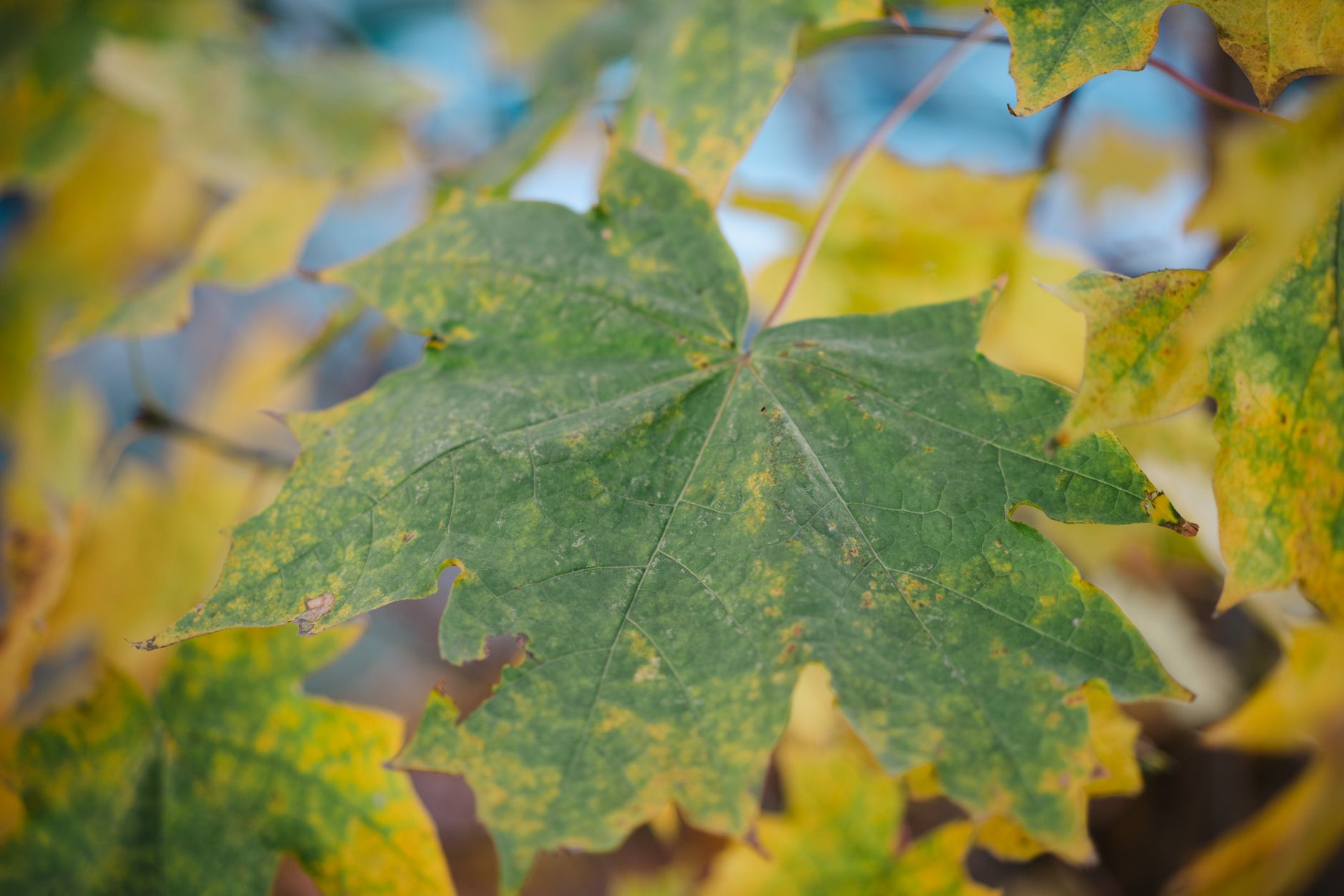
The autumn color transformation that draws millions of people to New England, Japan, and the European Alps each year is produced by a complex series of biochemical events that begin weeks before the first visible color change and involve multiple pigment production and breakdown pathways.
The Mechanism of Color Change
During the growing season, chlorophyll, the green pigment responsible for photosynthesis, dominates leaf color so completely that the other pigments present, yellows and oranges from carotenoids, are invisible. As day length shortens in autumn, trees prepare to seal off their leaves by growing an abscission layer at the leaf base that cuts off water and nutrient flow.
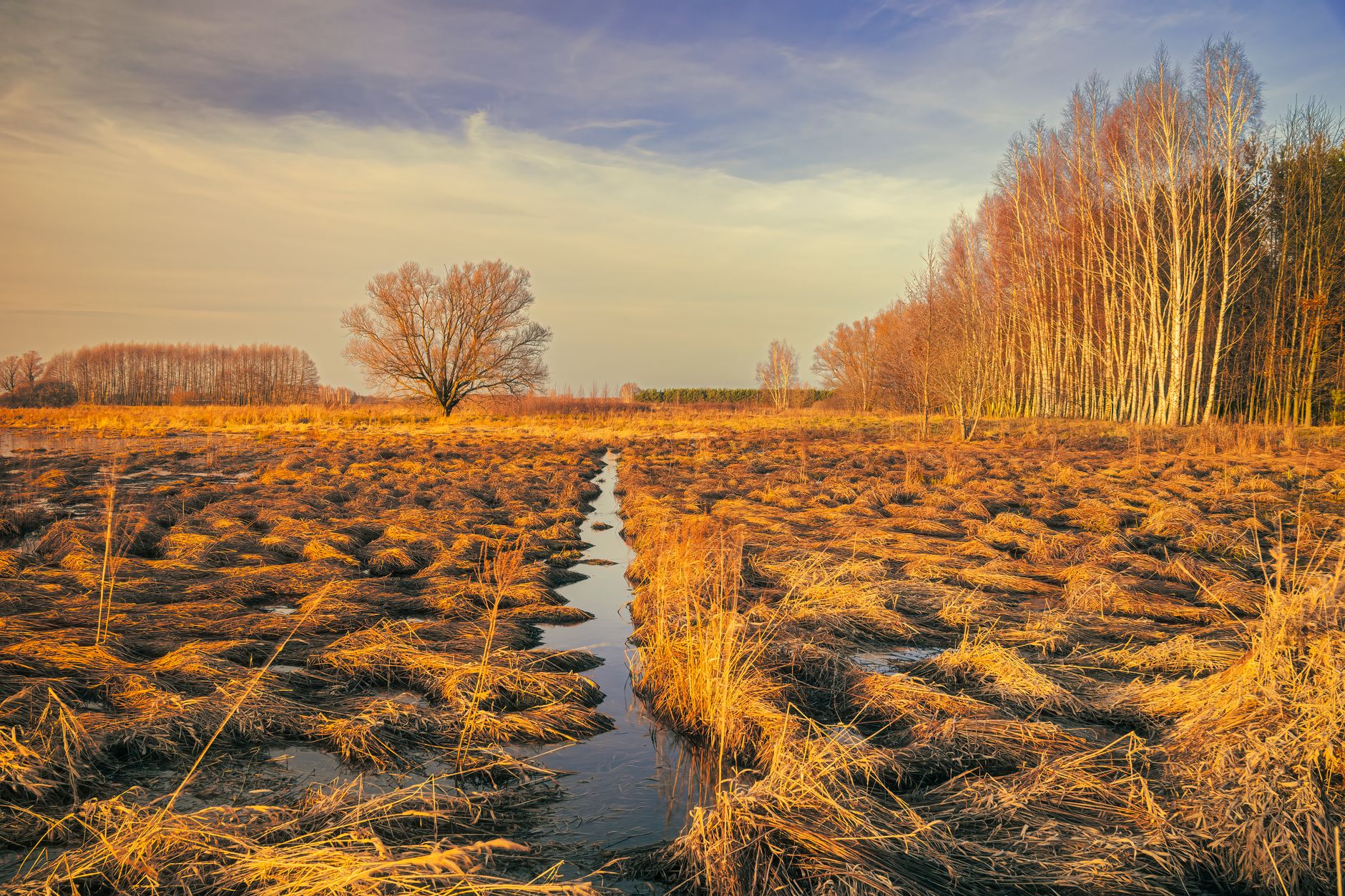
As chlorophyll production stops and existing chlorophyll breaks down, the carotenoid pigments it was masking become visible, producing the yellow and orange colors of maple, aspen, and birch. These colors were present all summer; they simply become visible when the dominant green disappears.
Red and purple colors are different: anthocyanins are actively produced in autumn in response to bright light and cool temperatures. The sugars trapped in leaves by the abscission layer provide the substrate for anthocyanin production. This is why the most vivid reds and purples appear after dry, sunny days and cool nights, conditions that maximize both sugar trapping and anthocyanin production.
Peak Color Prediction
The timing and intensity of autumn color varies significantly by year and location. Weather conditions in the preceding summer affect the sugar content available for anthocyanin production. Drought stress, ironically, can produce more intense color than well-watered seasons by concentrating sugars in leaves. The most intense color years follow seasons with late summer warmth transitioning to sharp cool nights in early autumn.