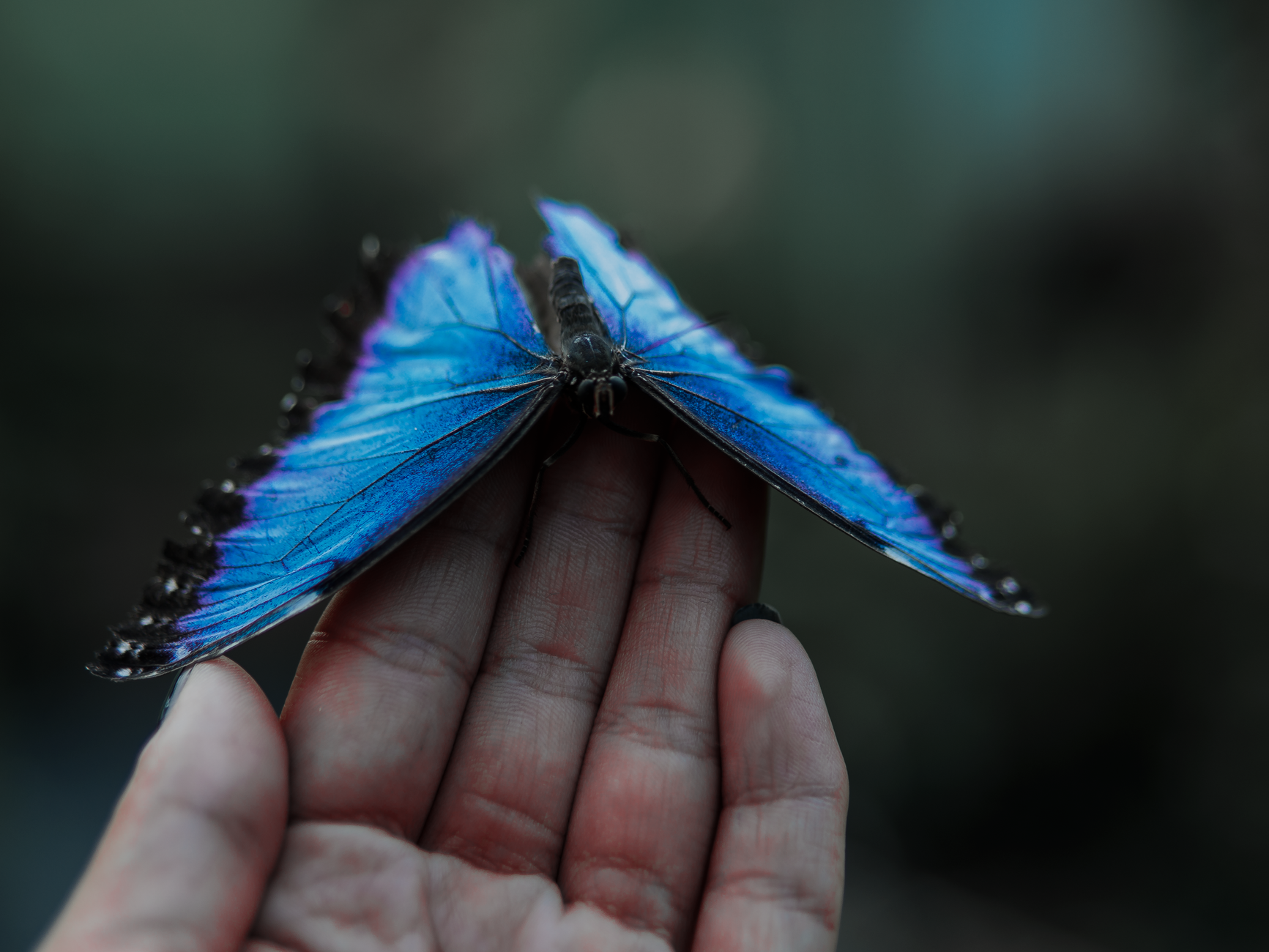
Butterflies occupy a peculiar position in public consciousness: universally loved, rarely understood, and critically threatened without most people knowing it. In the past 50 years, butterfly populations across North America and Europe have declined by approximately 50 percent, a loss that matters far beyond aesthetics.
Why Butterflies Are Ecosystem Indicators
Butterflies are among the most sensitive indicators of ecosystem health because they are highly specialist in their habitat requirements. Many species can only complete their life cycles in very specific plant communities, and any disruption to those communities affects butterfly populations immediately and visibly. Ecologists use butterfly population data as a proxy for overall biodiversity health.
The pollination services butterflies provide are less efficient than bees for most crops but significant for wildflowers and native plants that form the base of food webs. Their role as prey for birds, bats, and spiders means that declines in butterfly populations cascade upward through predator food chains.
Creating Butterfly Habitat
Individual gardens can provide meaningful butterfly habitat. Native flowering plants that provide both nectar for adults and larval food plants for caterpillars are the foundation. Each butterfly species has specific larval plant requirements: monarchs require milkweed, swallowtails need members of the carrot family, and many fritillaries require violets.
Reducing or eliminating pesticide use in gardens is equally important. The insecticides applied to control pest species affect butterfly larvae without discrimination. Leaving areas of unmanaged grass and dead plant material provides overwintering habitat for eggs, pupae, and adults of different species.