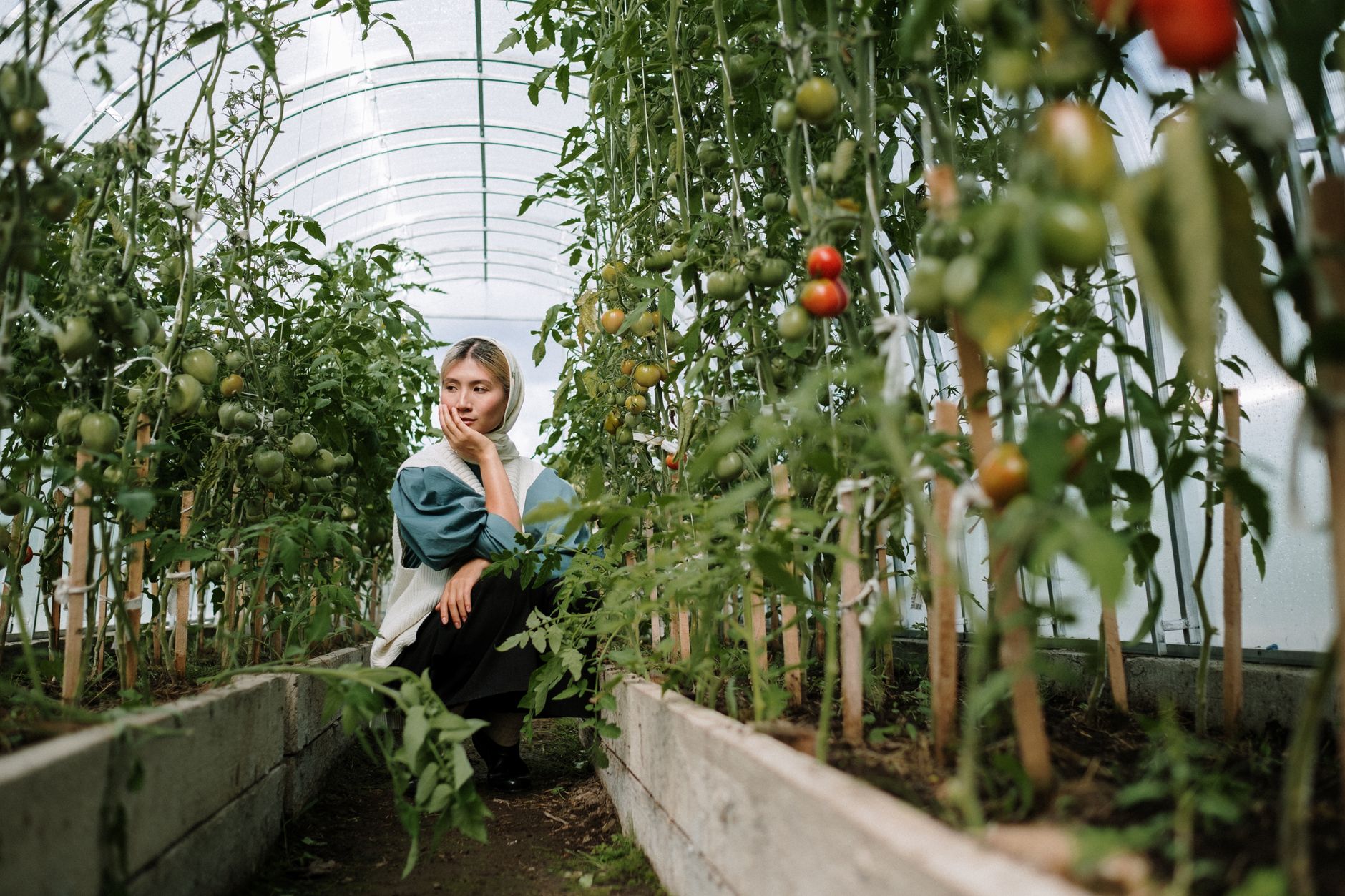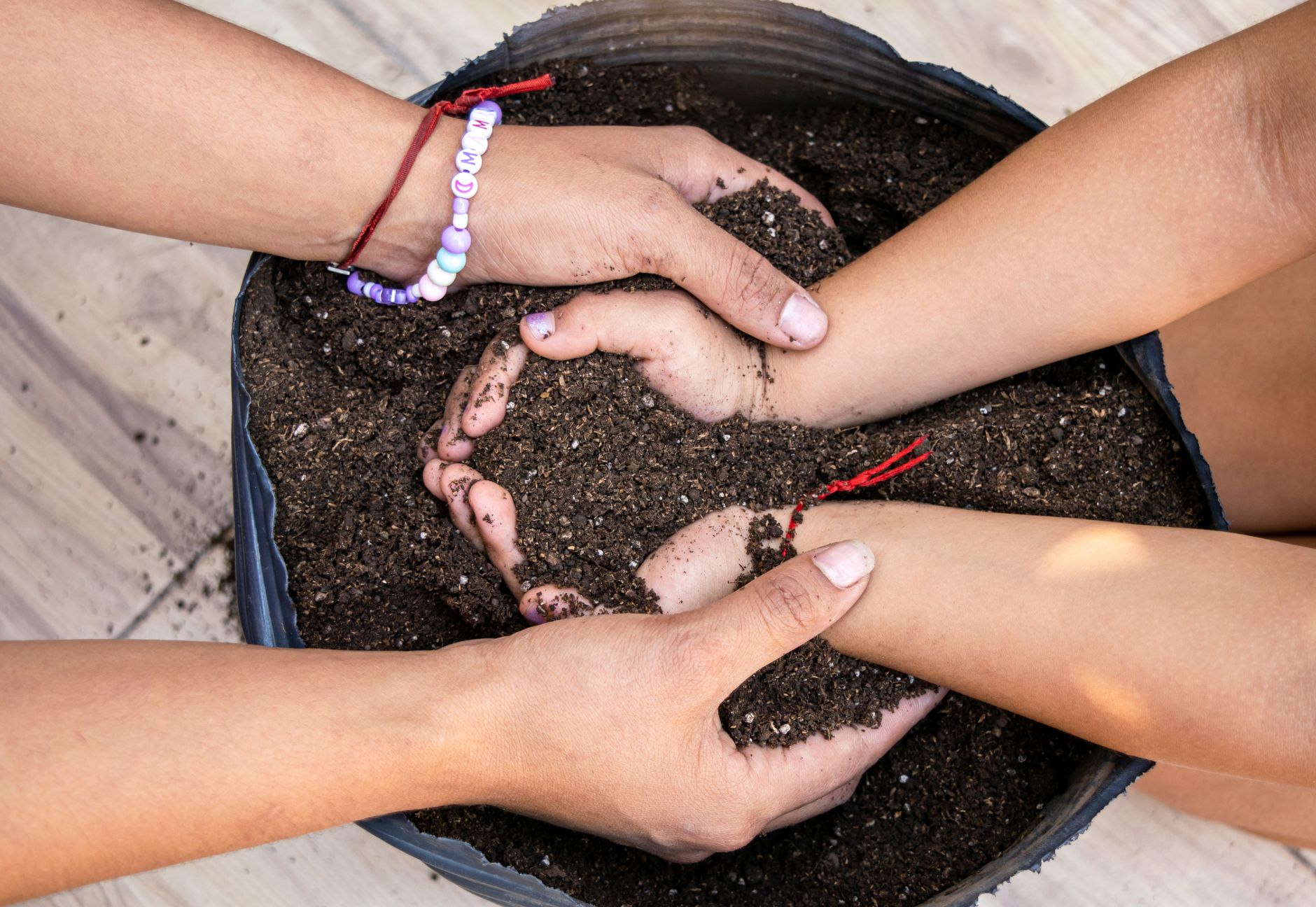
The observation that gardening has mental health benefits has moved from folk wisdom to scientific validation through a specific mechanistic discovery. The soil bacterium Mycobacterium vaccae, when inhaled or contacted through skin, has been found to stimulate the production of serotonin through an immune pathway.
The Mycobacterium Vaccae Research
Research published in Neuroscience established that M. vaccae stimulates a subset of serotonergic neurons in the raphe nuclei, the brain structures responsible for serotonin production. The effect is analogous in mechanism, though not in scale, to the action of antidepressant medications that increase serotonergic tone. The research originally used injection of killed bacteria, but subsequent work has found that inhaling soil aerosols and skin contact with soil produce effects consistent with the proposed mechanism.
Additional research found that mice injected with M. vaccae performed better on maze tasks, suggesting cognitive as well as mood effects. Human studies on the relationship between soil exposure and wellbeing are less mechanistically controlled but consistently show positive associations between gardening frequency and wellbeing scores.
Practical Access to Soil Health
The implications are pleasantly practical: regular time with hands in soil, whether through gardening, outdoor activities, or simply spending time in natural environments with bare feet, may produce genuine neurobiological benefits. The emphasis on hygiene in contemporary childhood that reduces soil contact has been proposed as a contributing factor in rising anxiety rates, though the evidence for this connection remains correlational rather than causal.