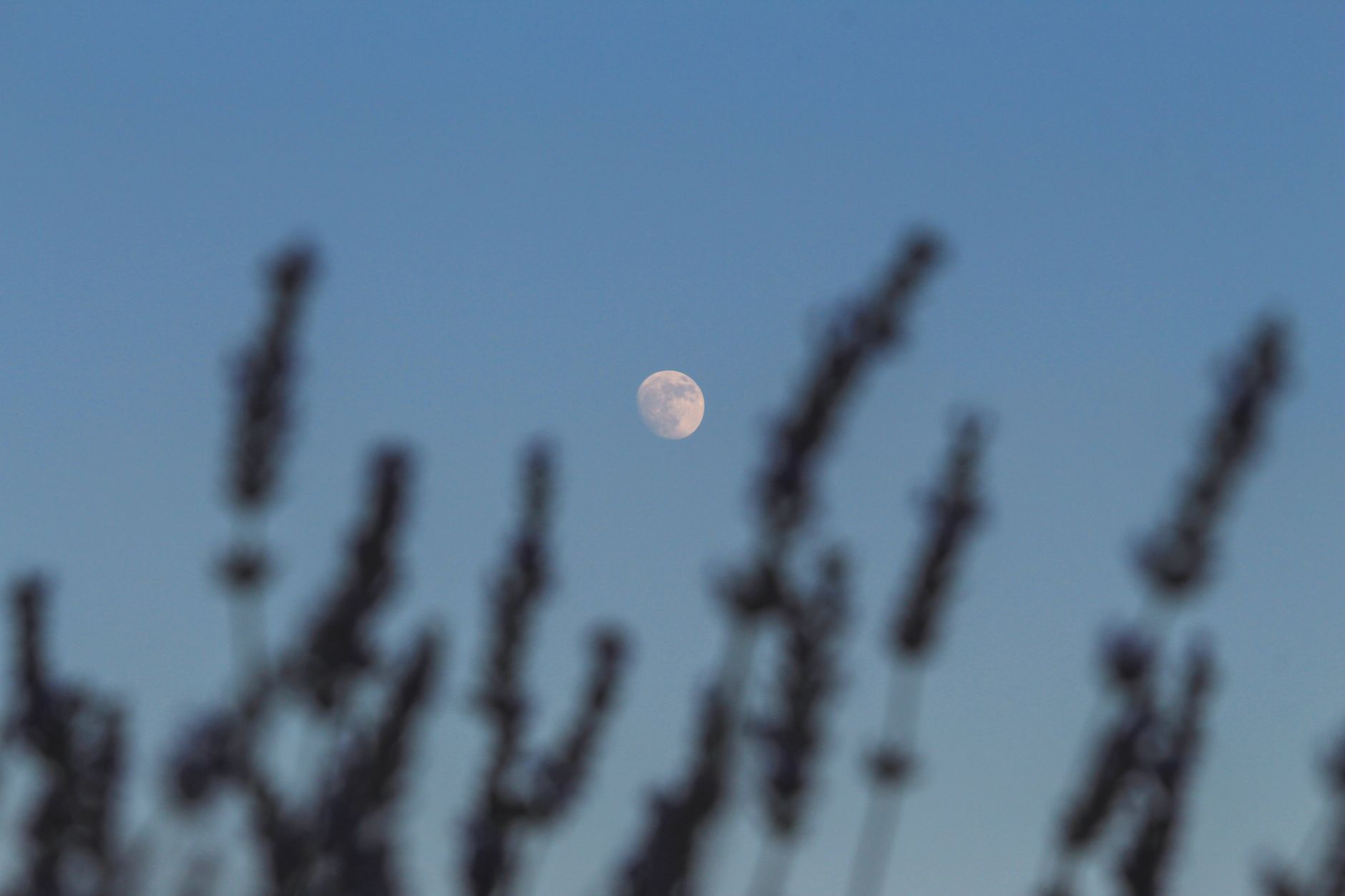
Moon gardening, the practice of timing planting, pruning, and harvesting activities according to the lunar cycle, has been practiced across cultures for millennia and dismissed by mainstream horticulture for most of the twentieth century. The scientific picture is more complicated than either its advocates or its skeptics typically acknowledge.
The Proposed Mechanism
The moon's gravitational influence on Earth's water is well-established through the tidal system. Biodynamic gardeners propose that this influence extends to soil moisture and the water content of plant tissue, with different lunar phases creating conditions more or less favorable for different aspects of plant growth. Root growth is associated with the new and full moon, while the waxing moon is considered favorable for above-ground growth.
Research conducted at the Biodynamic Research Institute has found some correlations between lunar cycles and germination rates in controlled studies, though the effect sizes are modest. A 2015 study in Chronobiology International found that barometric pressure, which does fluctuate with lunar cycles, influences soil water capillary action in ways that could affect seed germination.
Practical Applications
Even if the effects are modest or not fully established, timing certain garden tasks to lunar cycles creates a planning rhythm that encourages more attentive garden management. Treating the full moon as the time for harvesting, the new moon for planting root vegetables, and the waxing phases for planting above-ground crops produces a garden calendar that ensures regular engagement.
The worst outcome is a garden tended with consistent attention and intention. The best outcome may align with what generations of traditional farmers found empirically useful.