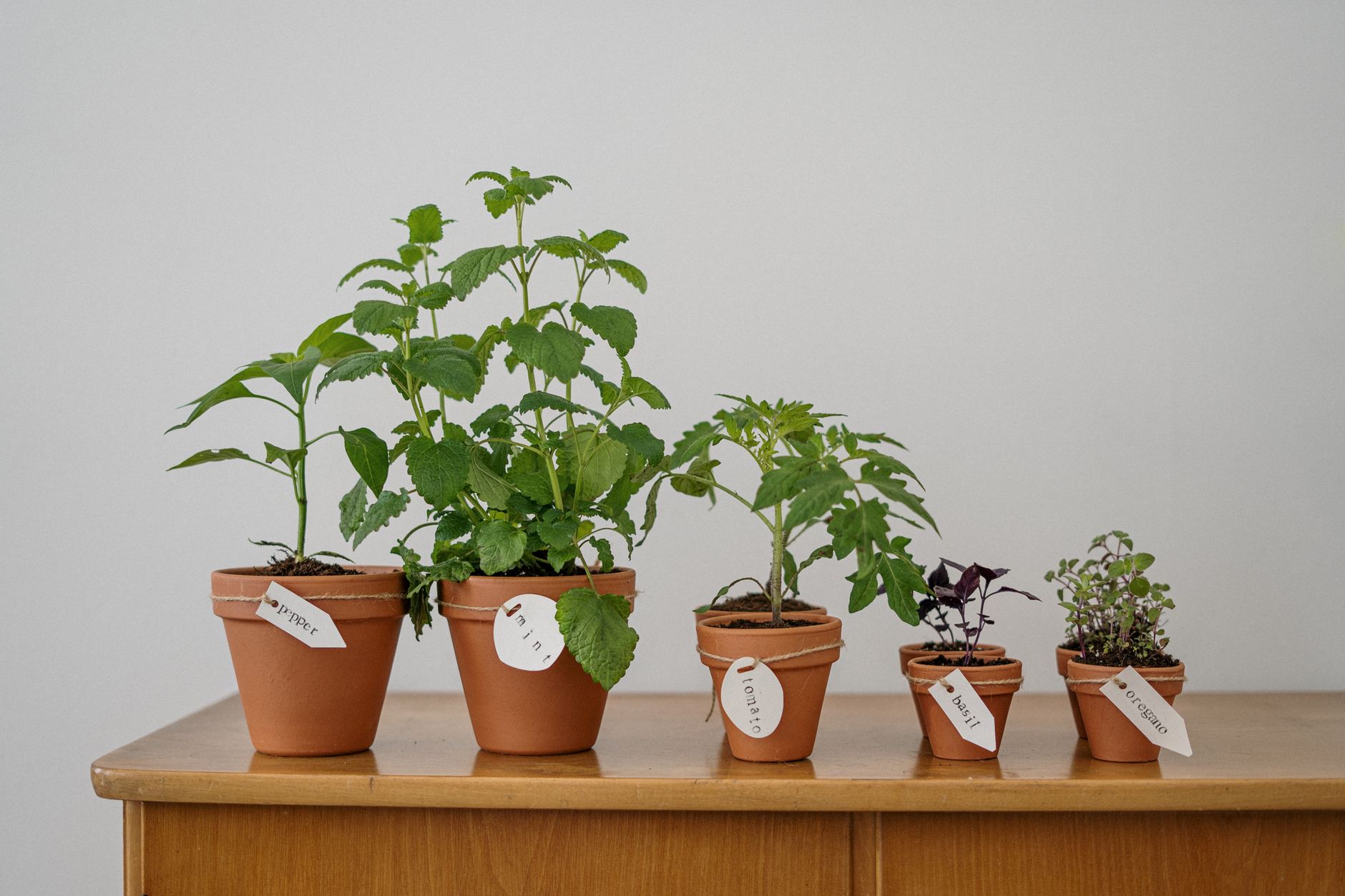
An indoor herb garden provides fresh ingredients within arm's reach of the kitchen, reduces the perpetual problem of buying a whole bunch of herbs for a tablespoon, and brings a quality of living greenery to indoor spaces that few plants match in terms of combined utility and appearance.
The Light Requirement Is Everything
The most common reason indoor herb gardens fail is insufficient light. Most culinary herbs evolved in Mediterranean climates with intense sun, and they require equivalent light intensity to thrive indoors. A south or west-facing window that receives direct sun for at least four to six hours daily is the minimum for basil, thyme, rosemary, and sage.
For kitchens without adequate natural light, a grow light on a 14-hour cycle provides a reliable substitute. LED grow lights have become affordable and energy-efficient enough to make this a practical solution rather than a significant investment.
The Herbs That Succeed Most Reliably
Chives are the most forgiving indoor herb, tolerating lower light and irregular watering better than most others. Mint grows aggressively in any conditions but should be kept in its own container as it will take over shared pots. Parsley and cilantro do best in cooler conditions and can struggle in warm, dry kitchen environments.
Basil is the most demanding indoor herb: it requires warmth, consistent moisture, and high light, and it bolts quickly when any of these conditions are not met. Growing it in the hottest, sunniest spot available and pinching flower buds as they appear extends its productive life significantly.