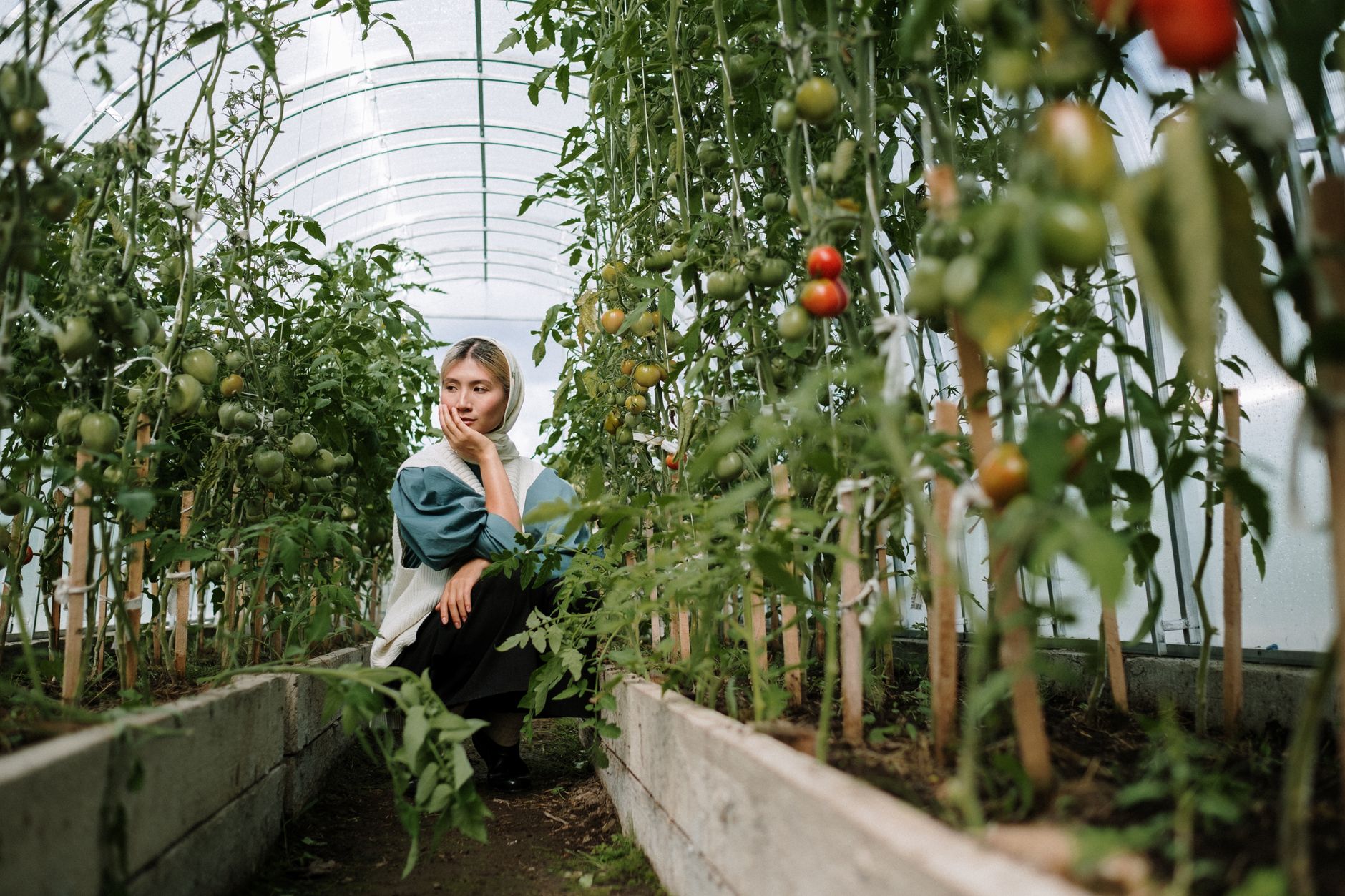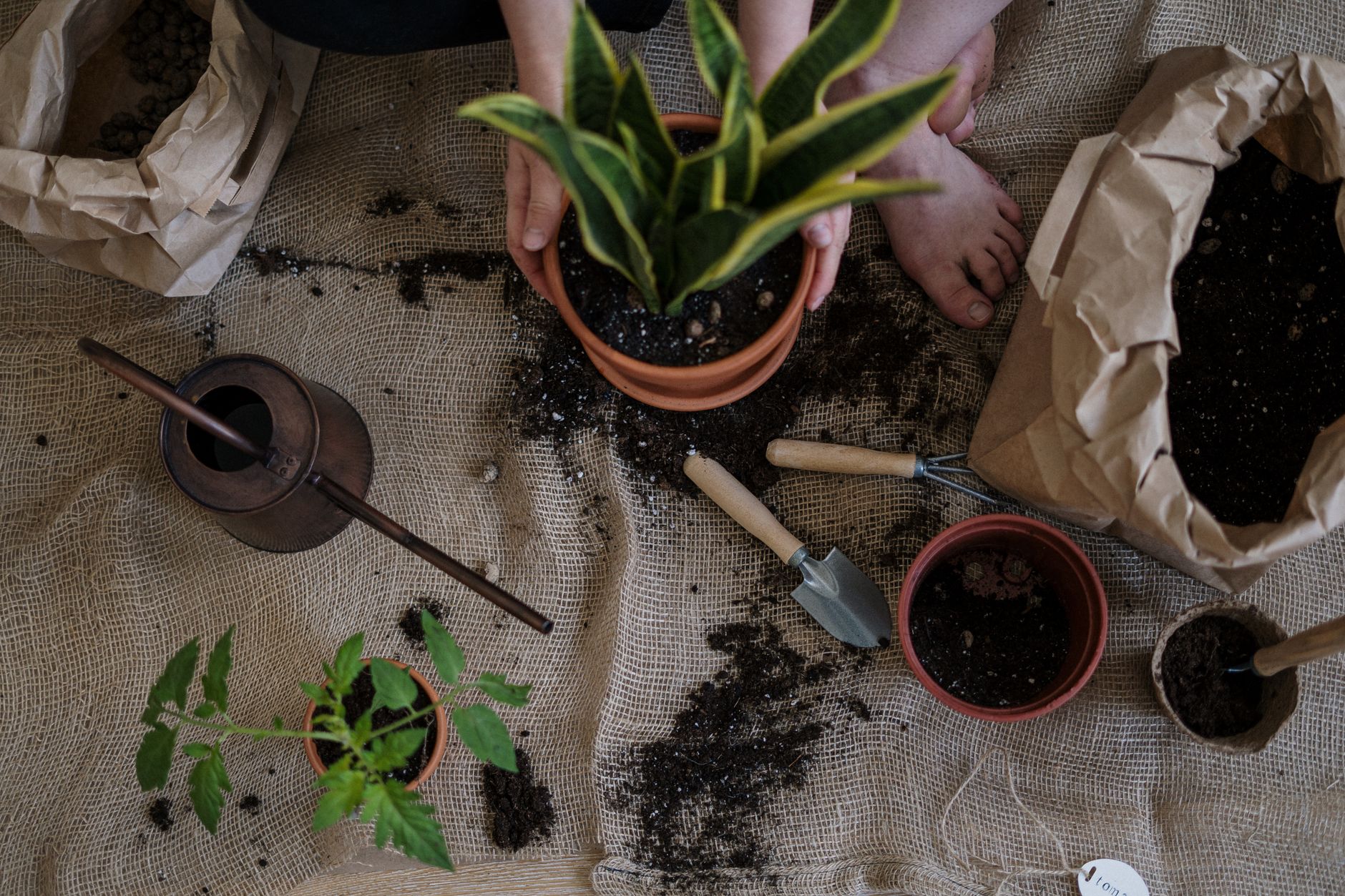
There is a particular satisfaction in eating something you have grown, a satisfaction disproportionate to the scale of the achievement, even when that achievement is as modest as a few cherry tomatoes from a patio container. Growing food connects growers to cycles of season, soil, and weather that urban life typically erases, and the cumulative effect on wellbeing has been consistently demonstrated in research.
The Easiest Starting Points
The most common beginner mistake is starting with vegetables that require significant skill or time commitment. The easier path is starting with plants that provide quick feedback: radishes ready in 25 days, salad leaves producing a cut-and-come-again harvest within weeks, and cherry tomatoes that are genuinely difficult to fail with in a reasonably sunny spot.
Herbs are the single best investment for beginning food gardeners. Basil, mint, chives, rosemary, and parsley thrive in containers, require minimal space, and provide immediate culinary return. A windowsill herb garden in a south or west-facing window can supply fresh herbs year-round with minimal maintenance.
Understanding Soil
Every gardening success ultimately traces back to soil quality. Plants grown in poor, compacted, or depleted soil struggle regardless of watering and care. For container gardening, quality potting mix with perlite added for drainage provides an immediate solution. For ground planting, adding organic compost before the first growing season improves almost any existing soil condition.
The most sustainable approach is building a compost system alongside your garden, turning kitchen scraps into the organic matter that both feeds soil and helps it retain moisture through dry periods.