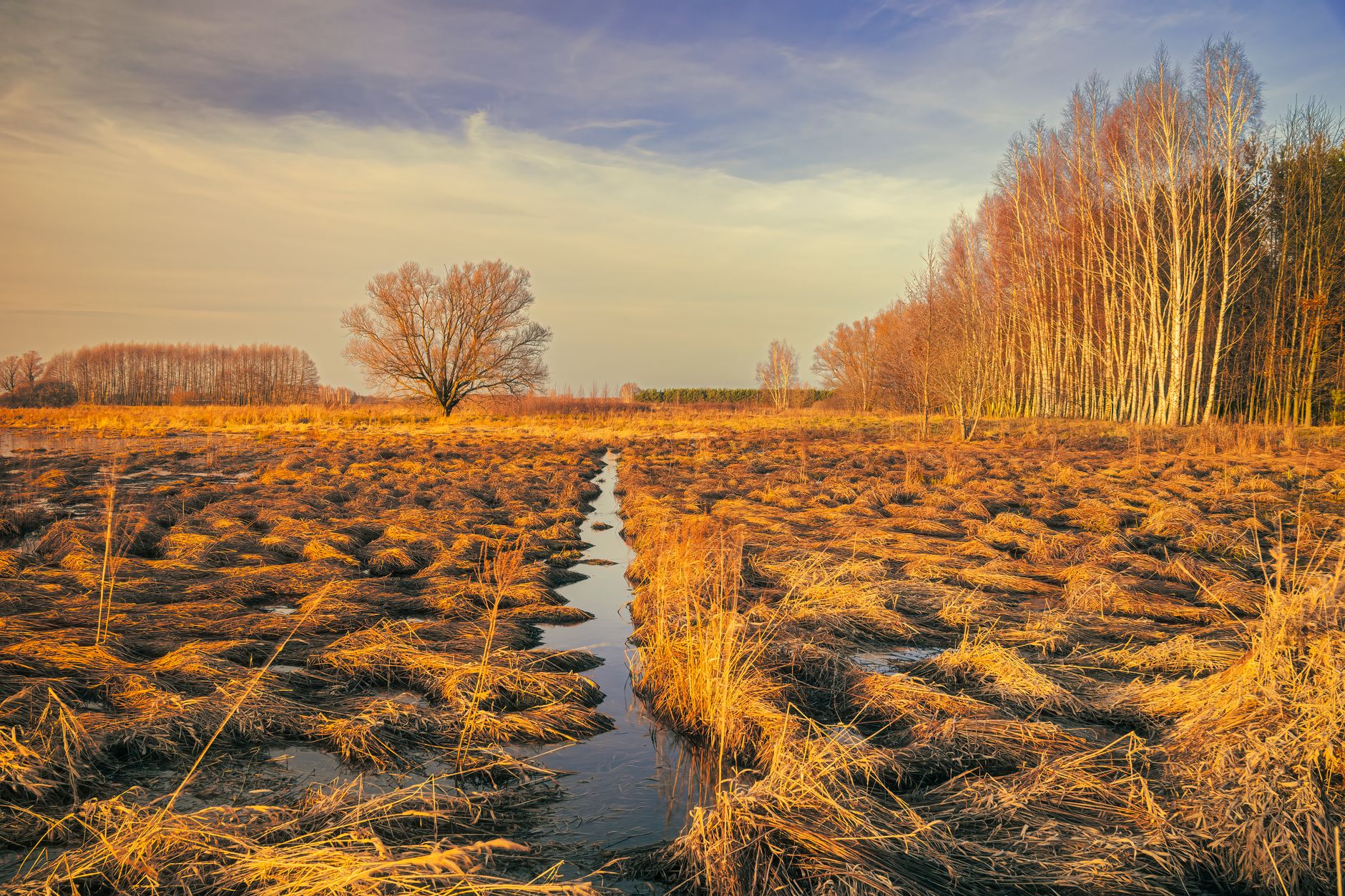
The Japanese concept of shinrin-yoku, or forest bathing, sounds aspirational but behind the poetic name is a substantial body of research showing that spending time in forest environments produces measurable physiological changes. Blood tests before and after forest immersion show quantifiable reductions in cortisol, the primary stress hormone. Heart rate and blood pressure drop. Activity in the prefrontal cortex, associated with rumination, decreases.
What the Research Shows
Studies demonstrate that two hours in a forest environment reduces cortisol levels by an average of 12 percent and lowers blood pressure meaningfully. A notable finding involves NK cells, or natural killer cells, that form a critical part of immune function. Forest immersion increases NK cell activity and count, with effects persisting for more than a week after a single exposure.
The mechanism appears to involve phytoncides, the antimicrobial compounds that trees release into the air. Inhaling these compounds, particularly from coniferous trees like cedar and pine, directly activates the parasympathetic nervous system and suppresses the stress response.
How to Practice It
Shinrin-yoku requires no equipment and no particular fitness level. The practice is distinct from hiking in that the goal is not to cover distance but to be present within the forest environment. Move slowly. Use all senses. Resist the urge to measure time or progress.
Even 20 to 30 minutes produces measurable effects. For those without forest access, research suggests that urban parks with significant tree coverage provide similar benefits on a reduced scale. The key variables appear to be the absence of urban noise and the presence of natural sound and visual complexity.