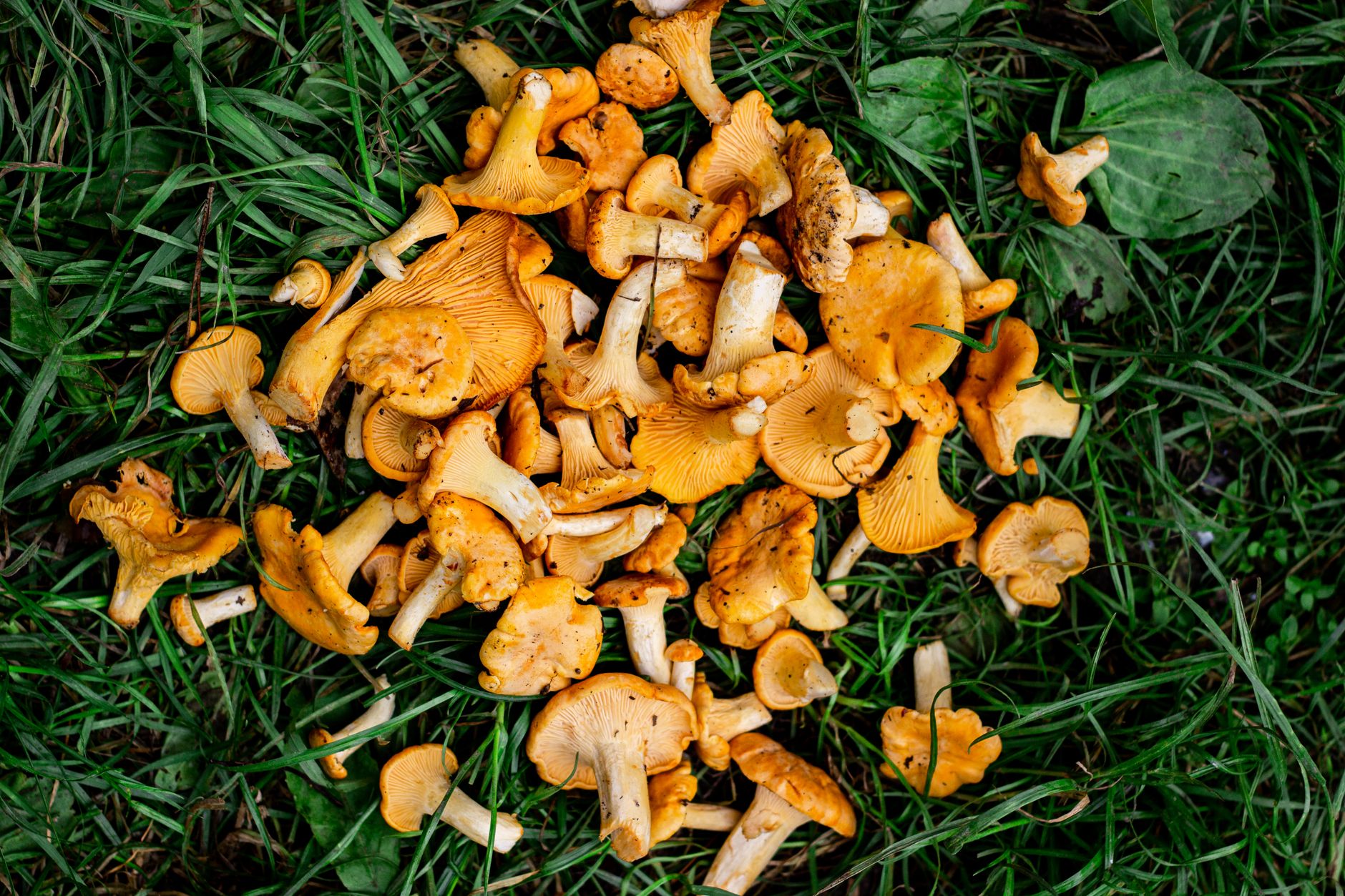
Foraging, the practice of gathering wild food from natural environments, has experienced significant renewed interest as people seek more direct relationships with their food and the natural world. The instinct is excellent. The practice requires more preparation than enthusiasm alone to be safe.
The Essential Safety Rules
Never eat anything you cannot identify with certainty from multiple reputable sources. This rule is not cautious advice for beginners; it is absolute and applies to experienced foragers as well. The most dangerous foraging mistakes involve species that closely resemble edible plants, most notably the water hemlock, which resembles wild carrot, and deadly amanita mushrooms, which resemble edible varieties. The consequences of these confusions are severe.
Foraging with an experienced guide or in organized group sessions is the safest introduction. Most regions have foraging societies, wild food walks, and educational programs that combine safety instruction with practical identification skills.
The Easiest Starts
Blackberries, elderflowers, nettles, and dandelions are among the most beginner-friendly forageables in most temperate regions because they are distinctive, widely distributed, and have few dangerous lookalikes. Nettles, once blanched, taste like spinach with more mineral complexity. Elderflowers make exceptional cordial and baked goods. Dandelion leaves are more nutritious than most cultivated salad greens.
Location awareness matters as much as plant identification. Avoid foraging near roadsides, agricultural land where pesticides may be used, or areas with known pollution. The best foraging spots are well away from human activity, in established natural areas.