Composting has a reputation for being complicated, smelly, or requiring more engagement than busy people can provide. This reputation is largely the product of descriptions of the ideal composting system rather than the minimum viable system that produces good results. The minimum viable system is much simpler.
The Basic System
The two-bin system is the most practical for home use. Kitchen scraps and garden material go into the first bin until it is full, then it is left to decompose while the second bin begins filling. This passive approach, without turning, produces finished compost in six to twelve months rather than the faster results achieved through active management, but requires almost no ongoing effort.
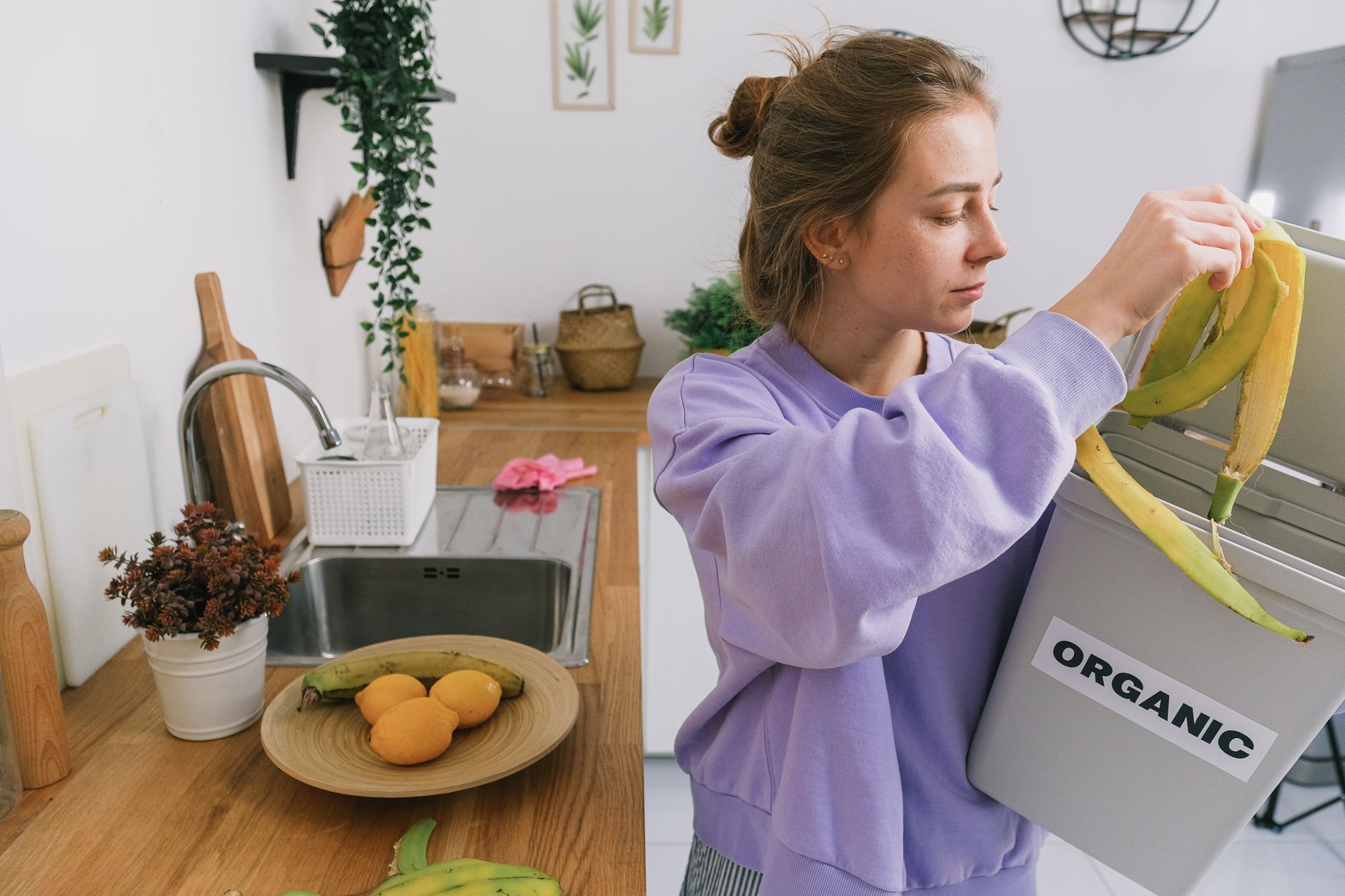
The inputs that work: fruit and vegetable scraps, coffee grounds and tea bags, eggshells, grass clippings, leaves, cardboard torn into pieces. The inputs to avoid: meat, dairy, cooked food with oil, and diseased plant material. The most important variable is balancing green, nitrogen-rich materials like kitchen scraps and grass, with brown, carbon-rich materials like cardboard, leaves, and paper. A rough visual guide is two to three parts brown for every one part green.
The Common Problems and Fixes
Smelly compost indicates too much green material or too much moisture. Add brown material and turn lightly to introduce air. Not decomposing indicates too little moisture or nitrogen. Add water and kitchen scraps. Pest attraction indicates food scraps are not buried deep enough. Cover fresh additions with brown material or turn fresh scraps into the pile rather than leaving them on the surface.
A well-functioning compost smells like earth, not decay.