Birdwatching has undergone a significant image transformation in the past decade. What was once associated almost exclusively with retirees in beige anoraks has become one of the most rapidly growing outdoor pursuits among people of all ages. The combination of accessibility, depth, and the way birding cultivates a relationship with local natural environments has made it genuinely compelling.
What You Need to Begin
The barrier to entry for birding is lower than for almost any other nature-based hobby. A pair of binoculars in the 8x42 specification and an app like Merlin Bird ID, which can identify birds by photo and by sound, are sufficient to begin. Some of the most satisfying birding experiences happen in gardens, urban parks, and backyards, requiring no travel at all.
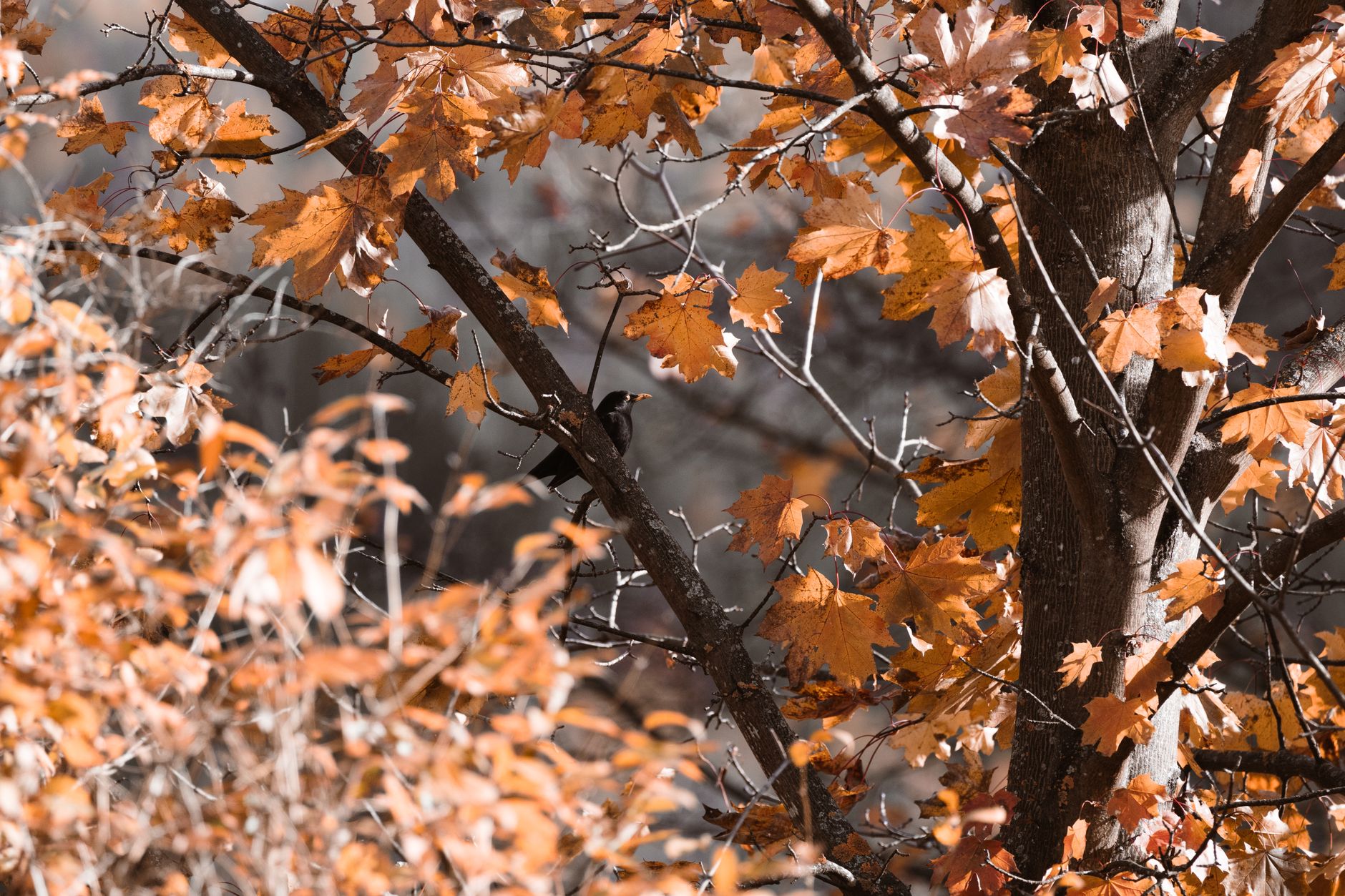
The key to getting started is paying attention differently. Most people move through natural environments with vision narrowed to the path ahead. Birding expands that attention to peripheral movement, sound, and the edges of environments where bird activity is densest: hedgerows, tree lines, water margins.
Why People Get Hooked
What begins as casual noticing typically develops into something more absorbing because birds are endlessly varied and their behavior is genuinely interesting. Seasonal migration patterns bring new species; behavioral observations reveal social dynamics; the challenge of identifying a bird seen briefly creates a puzzle-solving engagement. The listing culture of birding, tracking species observed over time, adds a game-like structure that many practitioners find compelling without being competitive.