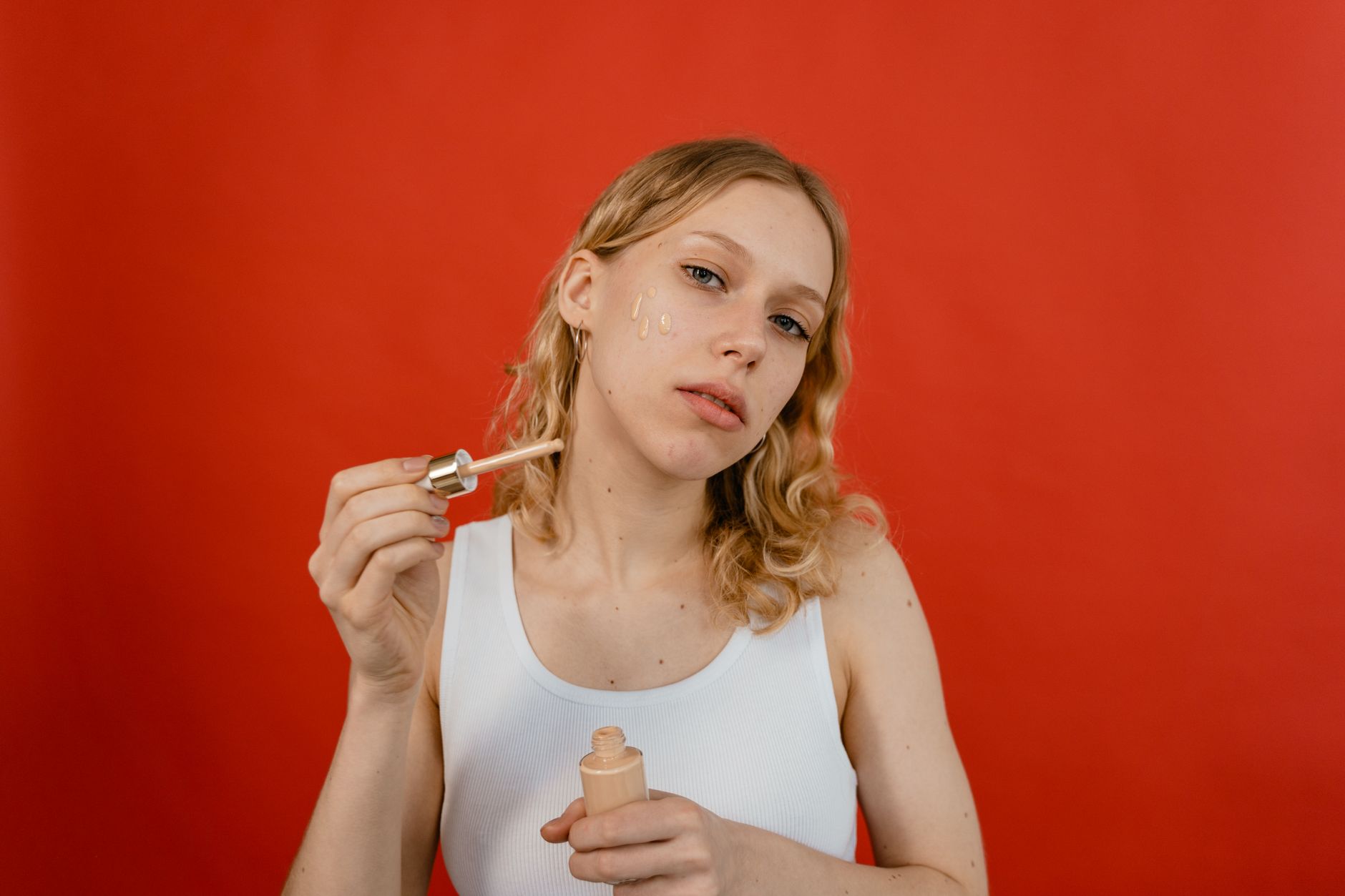
The coverage continuum from tinted moisturizer through to full-coverage foundation encompasses significantly more variation than the names suggest, and the choice between them has more to do with skin condition, occasion, and desired finish than with a hierarchy of products.
When Tinted Moisturizer Wins
Tinted moisturizer provides the lowest coverage and the most skin-like finish of any coverage product. It evens tone without covering texture, provides light pigment correction without concealing, and sits on the skin in a way that photographs as genuine healthy skin rather than the flatter result of higher-coverage products.
The occasions and skin types where tinted moisturizer is the optimal choice: healthy skin with minor uneven tone but good texture, casual or outdoor events where full makeup looks overdressed, and those with dry skin who find that heavier formulas crack or settle during the day. The formula's moisturizer base also makes it the best choice for days when skin feels tight or dehydrated.
When Foundation Is Worth the Effort
Full coverage foundation is most justified when there is something specific to cover: significant redness, post-acne marks, uneven pigmentation that tinted moisturizer cannot address, or when the occasion requires a polished finish that tinted moisturizer's casualness undercuts.
The key to foundation that looks like skin rather than coverage is application method. A damp beauty sponge pressed into the skin applies foundation more sheerly than the labeled coverage suggests, while a brush applies the full coverage. Starting sheer and building in specific areas rather than applying evenly over the whole face produces a more natural result than full-face application.