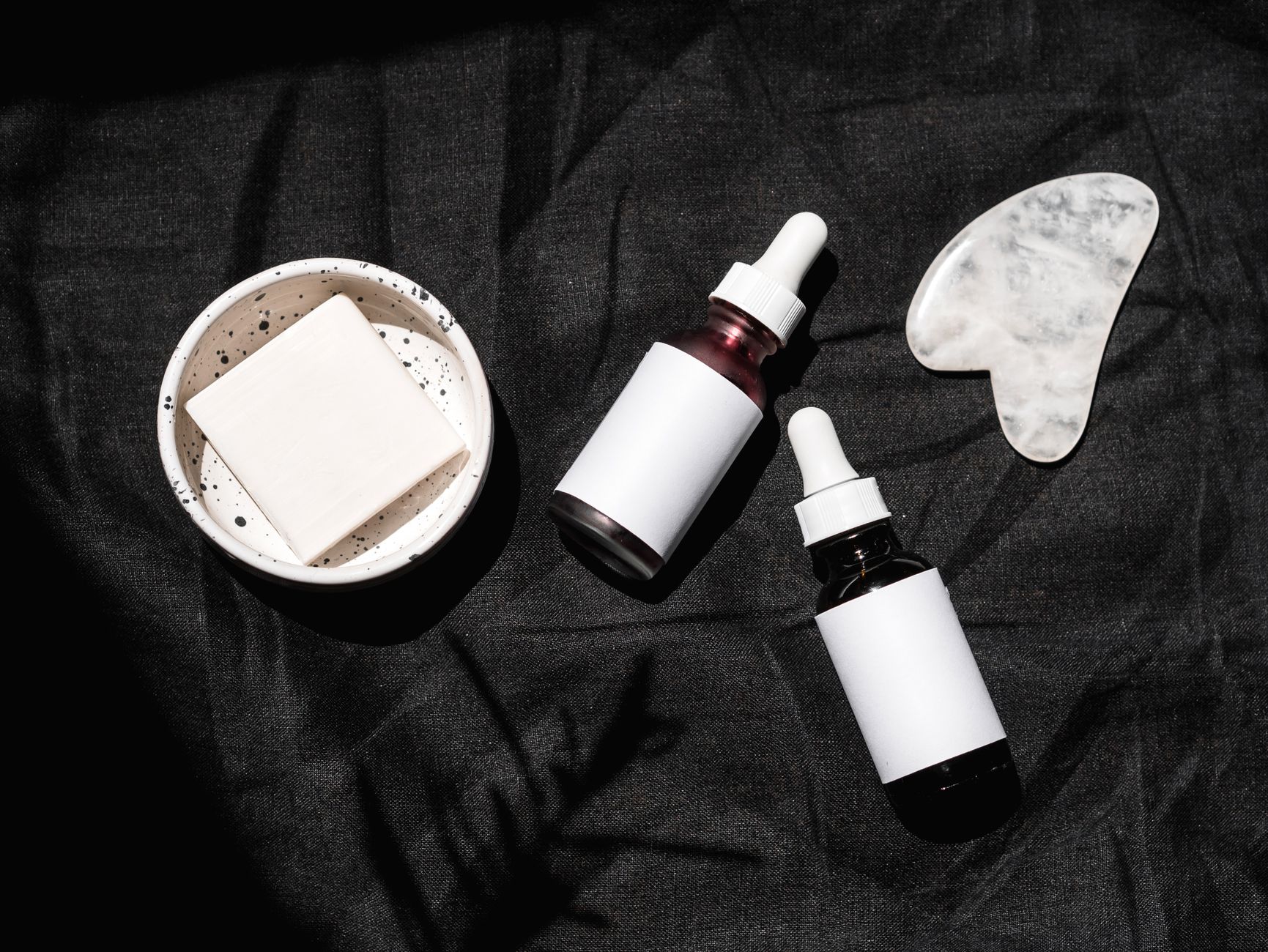
The Combination That's Quietly Wrecking Skin Barriers Everywhere
Social media has made amateur chemists out of all of us — and not in a good way. Dermatologists are reportedly seeing a sharp uptick in patients coming in with irritated, sensitized skin, and the culprit is almost always the same: mixing retinol with vitamin C.
Why This Pairing Is More Dangerous Than You Think
On their own, both ingredients are powerhouses. Retinol accelerates cell turnover. Vitamin C brightens and protects. But combined? "The pH levels of each ingredient work against one another," explains the logic behind why board-certified dermatologists have been quietly flagging this issue for years. Retinol needs a higher pH to function. Vitamin C — especially in its most potent L-ascorbic acid form — needs a low, acidic environment. Use them together and you neutralize both while simultaneously stressing your skin barrier.
The Signs Your Skin Is Suffering
- Persistent redness that doesn't resolve overnight
- Flaking that moisturizer can't fix
- Breakouts in areas that are normally clear
- A tight, uncomfortable feeling after applying products
If any of these sound familiar, your routine may be the problem.
The Right Way to Use Both
The solution is refreshingly simple: separate them by time of day. Apply vitamin C in the morning — it works synergistically with SPF to fight UV damage. Save retinol for your nighttime routine, when skin naturally goes into repair mode and there's no sun exposure to cause additional sensitivity.
What to Look For Instead
If you're committed to a single evening routine, look for products that contain bakuchiol — a plant-based retinol alternative that plays nicely with vitamin C and delivers similar results without the irritation risk.
The Bottom Line
Your skin deserves better than a chemistry experiment. Separating these two powerhouses costs nothing and could save your barrier months of recovery time. Sometimes the smartest skincare move is the simplest one.