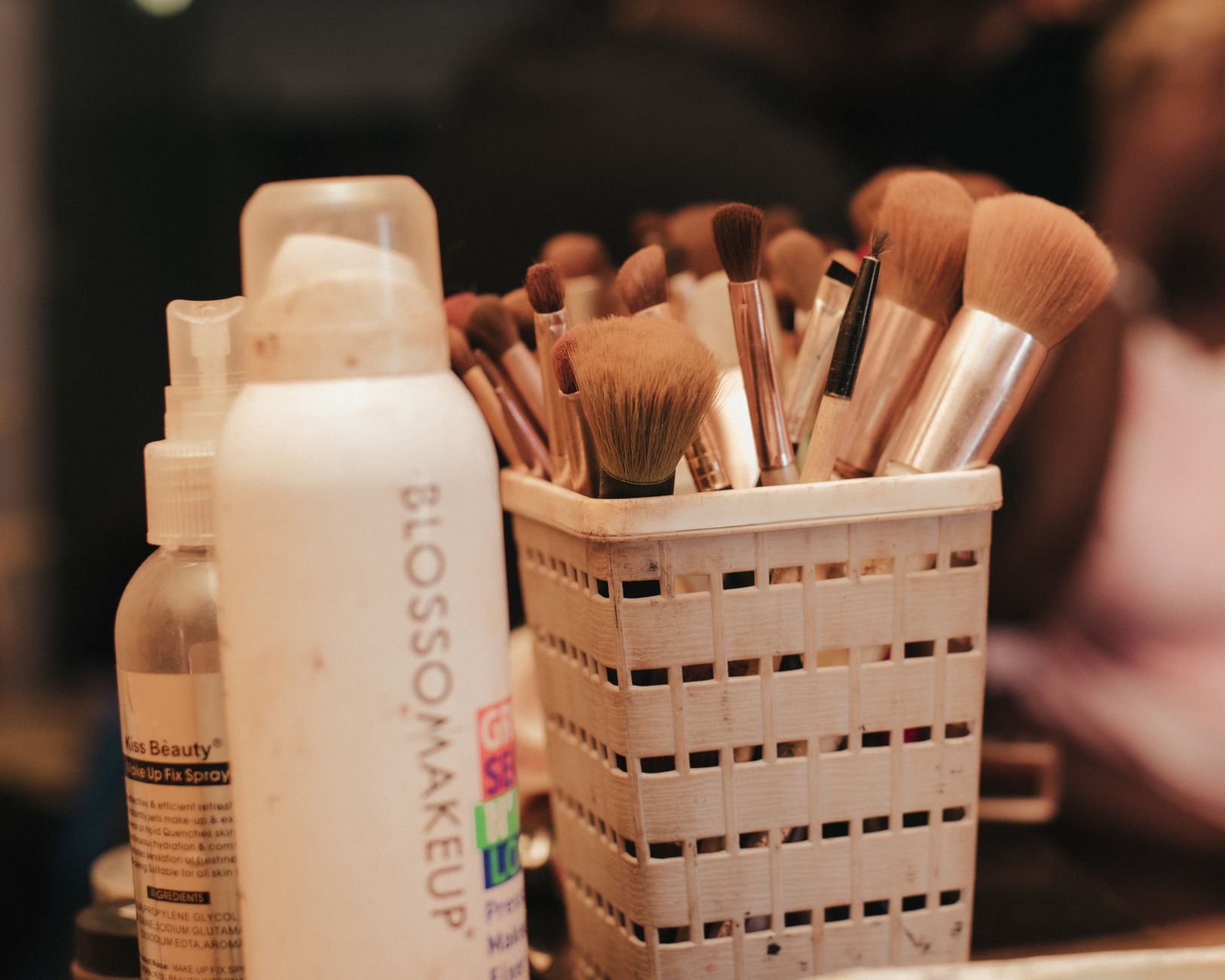
Setting spray occupies a category that many makeup users skip because the benefit is not immediately visible in the way that adding a new color product is. The benefits, however, are cumulative and significant: extended wear, improved skin-like finish, prevention of oxidation, and the ability to correct several common application issues.
The Different Formula Types
Matte setting sprays contain silica or kaolin-adjacent particles that absorb excess oil and reduce shine throughout the day. They suit oily skin and those wearing foundations that tend to move with sebum. The tradeoff is a slightly drying effect that can accentuate dry patches if applied to those areas.
Dewy or luminizing setting sprays contain glycerin and sometimes light-reflecting particles that enhance glow and skin-like appearance. These suit dry skin and foundations that tend to look powdery by midday. They are also useful for reviving tired-looking makeup later in the day.
Hydrating setting sprays focus primarily on moisture, extending the dewiness of the initial makeup application. These are most effective after powder setting, counteracting the mattifying effect while preserving the set state.
Application Technique
The standard application is a cross pattern: spray left to right, then top to bottom, holding the bottle 8 to 10 inches from the face. For makeup that is moving in specific areas, like foundation oxidizing around the nose or eyeshadow creasing, targeted application directly to those areas before and after makeup application can prevent the problem.
Using setting spray before powder, pressing rather than sweeping powder into the face, and then applying a final setting spray layer produces the most skin-like finish.