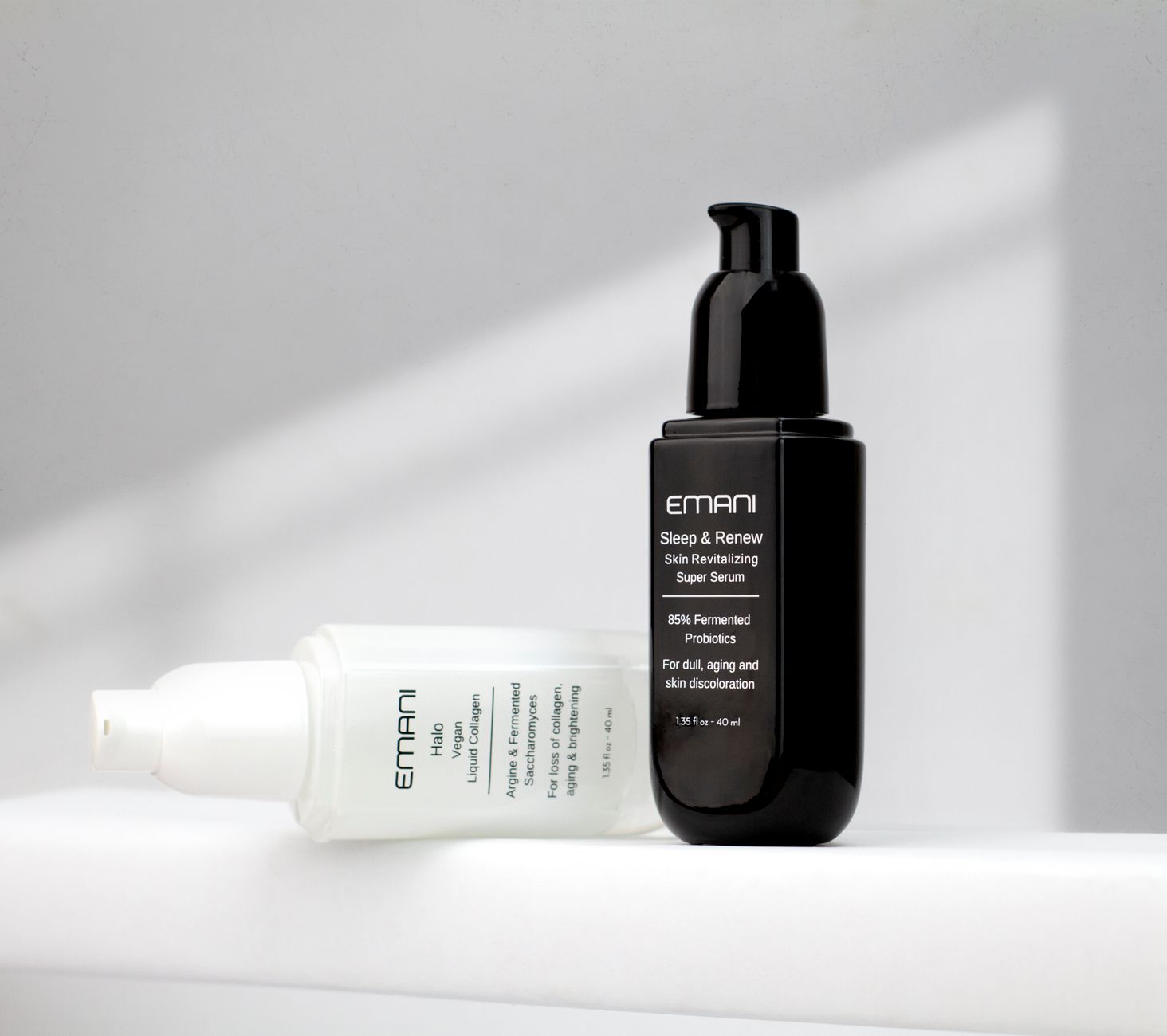
Serums and moisturizers perform different functions that are genuinely distinct rather than redundant. Understanding what each one does allows routine construction based on skin needs rather than marketing.
What Serums Do
Serums are defined by their delivery system rather than their ingredients: they contain smaller molecular weight actives in higher concentrations than moisturizers, allowing penetration to deeper skin layers. The water or gel base of most serums is designed to deliver specific active ingredients to the skin cells where they function.
Common serum categories and their functions: vitamin C serums brighten and protect against oxidative damage, hyaluronic acid serums provide deep hydration, niacinamide serums regulate sebum and address hyperpigmentation, retinol serums promote cell turnover, peptide serums support collagen production. Each serum is formulated for its specific active, which is why layering multiple serums with different functions is a valid approach.
What Moisturizers Do
Moisturizers work primarily on the skin's surface through two mechanisms. Humectants in the formula attract water from the environment or deeper skin layers to the surface. Occlusives form a physical seal that slows transepidermal water loss, keeping the moisture present in the skin from evaporating. Emollients smooth and soften the surface.
The relationship between serum and moisturizer is sequential: the serum delivers its active ingredients to the appropriate skin depth, the moisturizer seals the skin surface afterward. This is why moisturizer is applied after serum rather than under it in a routine. Applying moisturizer first would partially block the serum's penetration.