The Simplest Intervention Nobody Talks About
In a world of elaborate wellness routines, biohacking supplements, and ice bath challenges, the most consistently recommended habit among primary care physicians is surprisingly unglamorous.
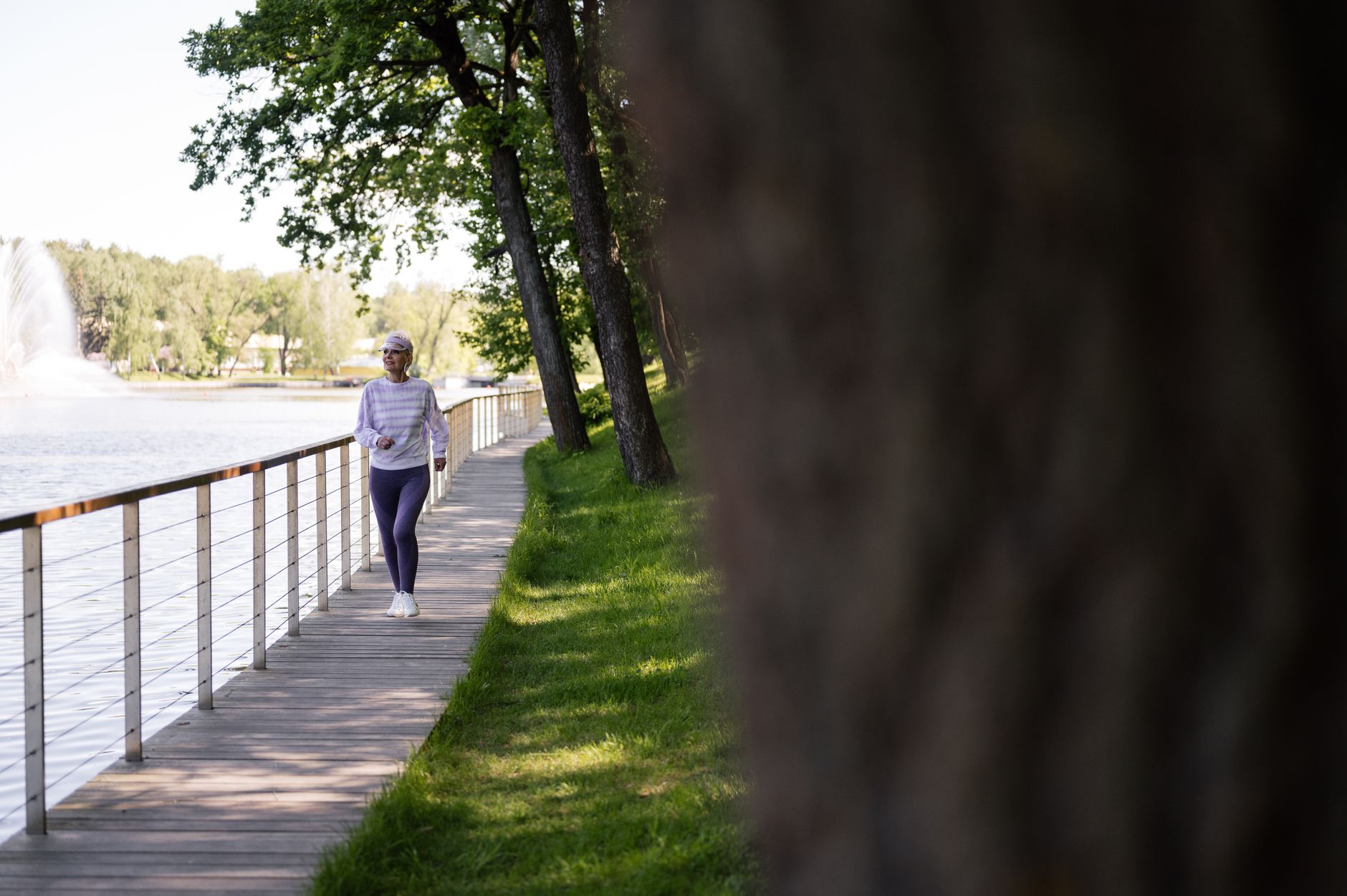
It's a ten-minute walk. Outside. Before doing anything else.
Why Timing Matters
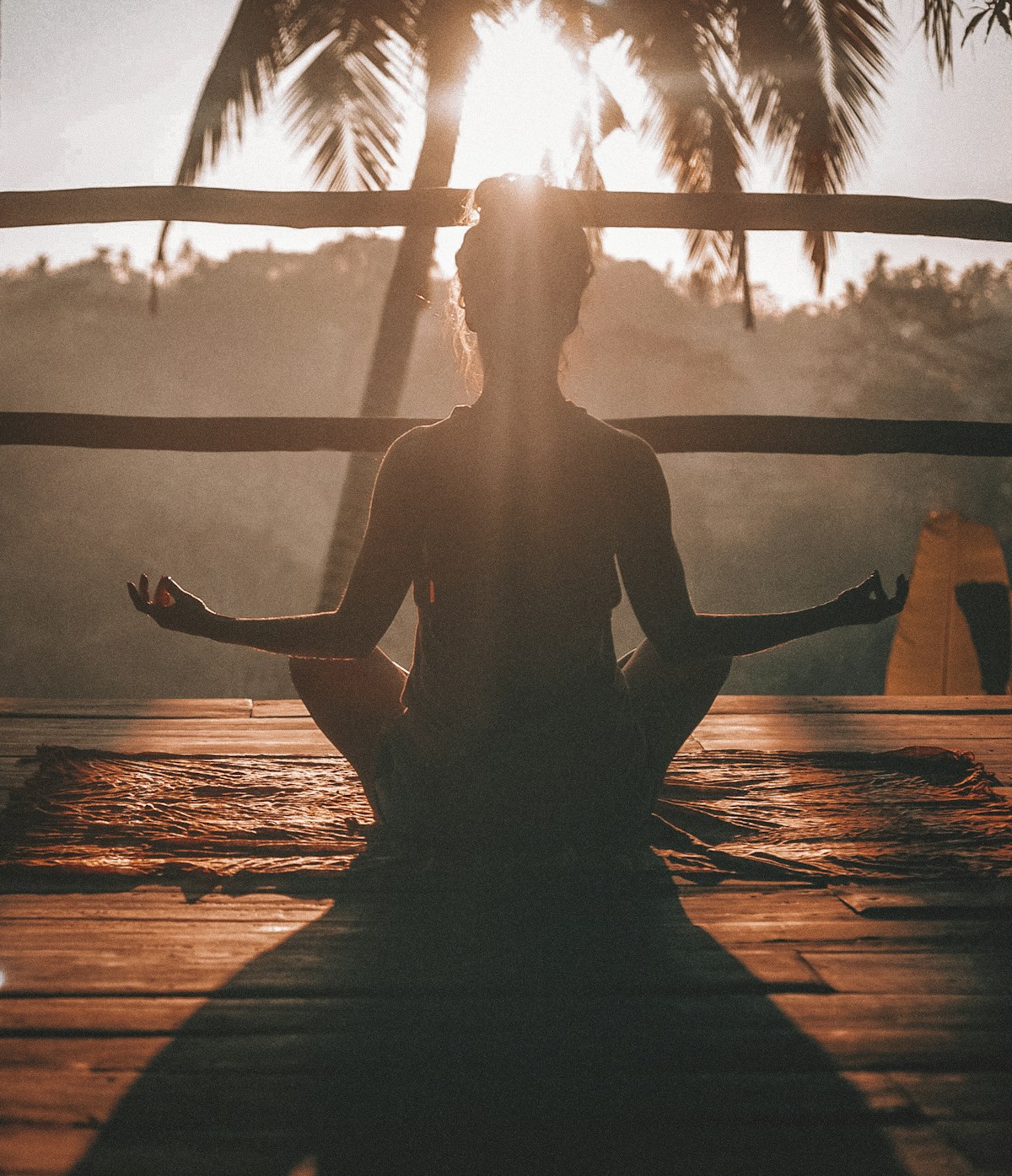
Health experts say the specific benefit of morning light exposure — even on overcast days — relates to how the body sets its internal clock. "Your circadian rhythm is calibrated by light," one physician reportedly explained. "If the first strong light signal you receive comes from a phone screen, your body gets confused about what time of day it is."
That confusion, sources say, cascades across sleep quality, mood regulation, cortisol levels, and even appetite throughout the day.
What the Research Reportedly Shows
Multiple studies have linked morning outdoor light exposure to:
- Improved sleep quality and faster sleep onset at night
- Reduced symptoms of seasonal depression, even in non-clinical populations
- More stable energy levels without the mid-afternoon crash
- Lower reported anxiety over periods of consistent practice
The Over-30 Connection
Physicians reportedly emphasise this habit particularly for people in their thirties and beyond because this is when circadian rhythms naturally begin to shift. "Your body's ability to self-regulate its clock becomes less robust over time," one specialist reportedly noted. "Giving it a strong external cue every morning compensates for that."
How to Start
- No special equipment required
- Works even in winter — overcast light still provides the signal
- Phones should ideally stay inside, or at least in your pocket
- Ten minutes is enough; twenty is better
The habit is free, takes no particular fitness level, and works immediately. Which may be exactly why it's so easy to overlook.