Exfoliation, the removal of dead skin cells from the surface, is one of the few skincare interventions with immediate visible results: skin looks brighter, feels smoother, and absorbs subsequent products more effectively within hours of proper exfoliation. These immediate results can lead to overuse, which is where the damage occurs.
Chemical vs. Physical Exfoliation
Chemical exfoliants use acids or enzymes to dissolve the bonds holding dead cells to the skin surface. AHAs, alpha hydroxy acids like glycolic and lactic acid, work on the surface and are particularly beneficial for dry, dull, or aging skin. BHAs, primarily salicylic acid, are oil-soluble and penetrate pores to exfoliate from within, making them superior for acne-prone and oily skin.
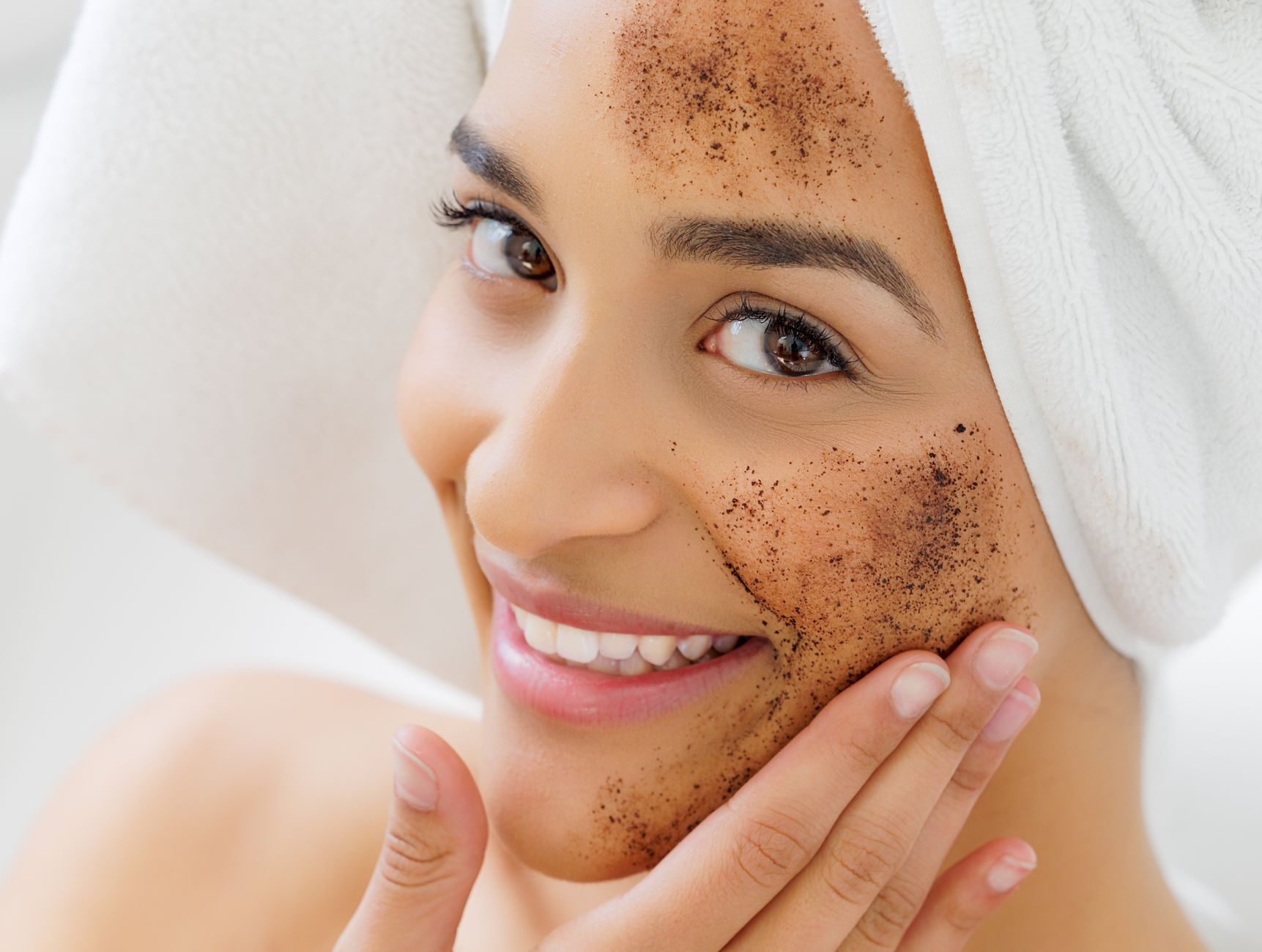
Physical exfoliation uses abrasive materials to physically remove dead cells. The problem with most physical exfoliants is uncontrolled and uneven pressure that creates microscopic tears and deposits bacteria from the hands into freshly exposed skin. Gentle physical exfoliation with a clean washcloth is far preferable to scrubs with irregular particle sizes.
Frequency and the Barrier Problem
The most common exfoliation mistake is frequency: twice or more per week is adequate for most skin types, and less is appropriate for sensitive skin. More frequent exfoliation removes the skin barrier's protective lipid layer faster than it can be regenerated, leaving skin red, reactive, and sensitive to ingredients that it would otherwise tolerate.
Signs of over-exfoliation: persistent redness, stinging when applying toner or water-based products, tight feeling regardless of moisturizer use, and unusual sensitivity. The recovery protocol is cessation of all active ingredients and two to four weeks of barrier-supportive products only.