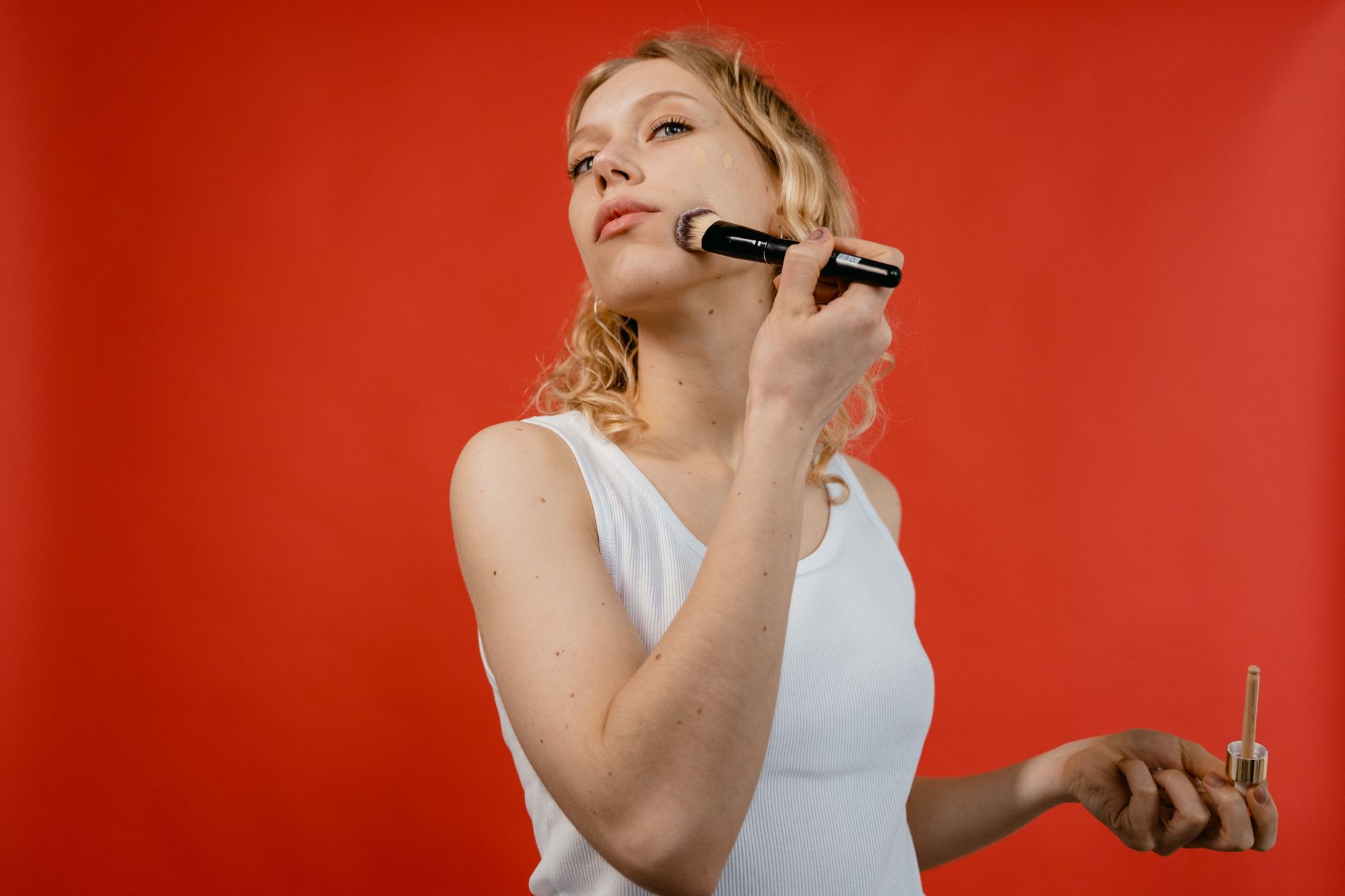
Foundation for mature skin is one of the most discussed and genuinely challenging areas of makeup application because the skin changes that come with age create specific formulation requirements that most popular foundations do not address and some actively worsen.
What Changes With Age
The primary skin changes that affect foundation application include: reduced skin moisture content and barrier function, making dry formulas accentuate fine lines; slower cell turnover, meaning texture and rough patches are more prevalent; loss of facial volume, which can make full-coverage formulas look mask-like; and increased skin sensitivity in many people as the barrier thins.
The foundation behaviors that are most aging when visible are: settling into fine lines and creases to emphasize them, appearing powdery or patchy on areas of dryness, oxidizing to an orange tone, and looking heavy or mask-like where coverage is highest.
Formulas That Work
The most successful foundations for mature skin tend to be: serum-foundation hybrids that contain skincare actives and sit within rather than on top of skin, skin tints that provide light coverage without the opacity that reads as aging, and cushion formulas applied with a light hand that build sheerly. Medium coverage with good skincare prep generally outperforms full coverage.
Application method matters significantly. A damp beauty blender pressed rather than swiped into skin applies product more sheerly and avoids dragging across textured areas. Setting only the areas that actually need it, the T-zone in most cases, prevents the overall powder-set look that ages skin in photographs.