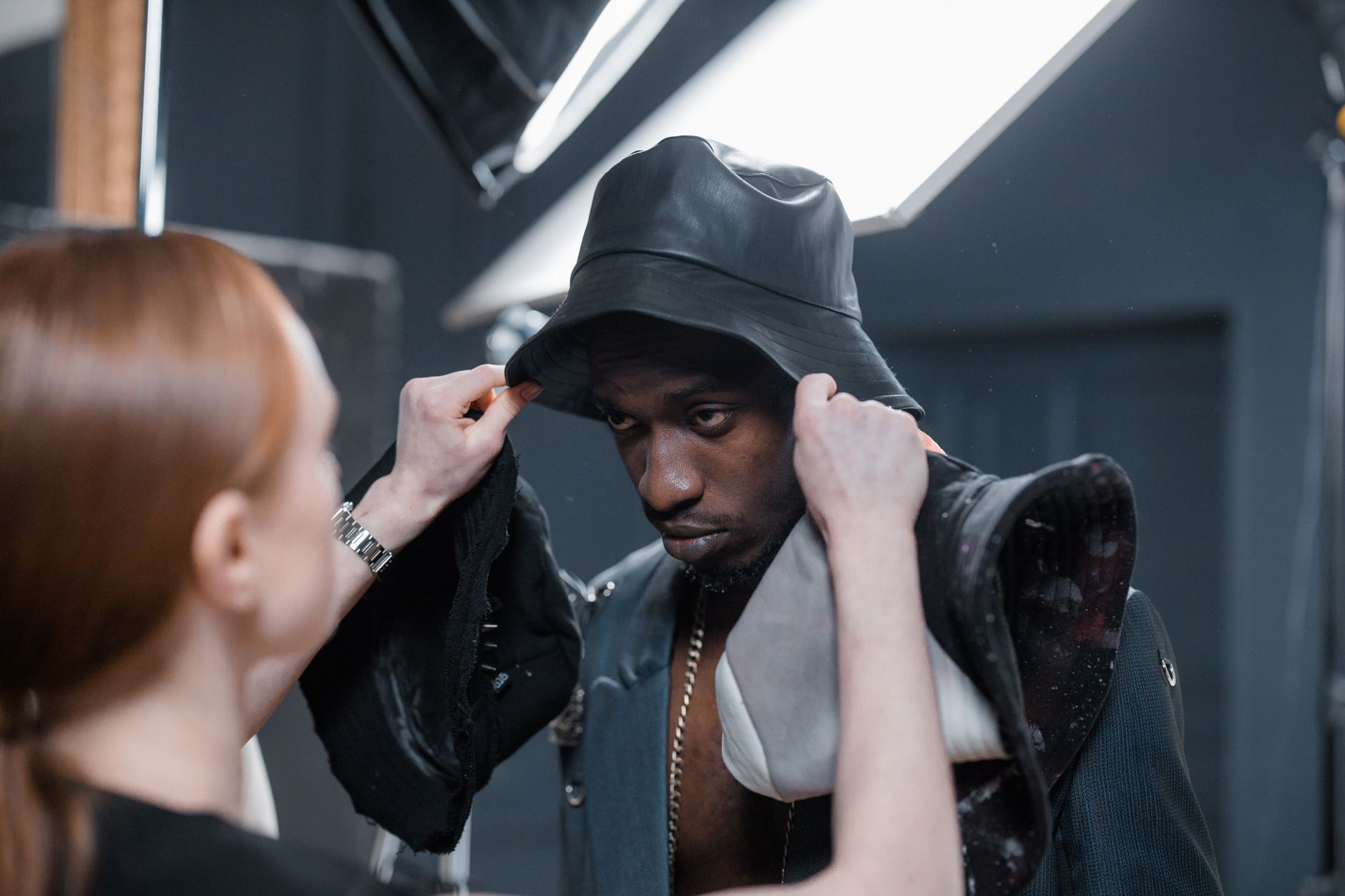
What Happens Behind the Curtain
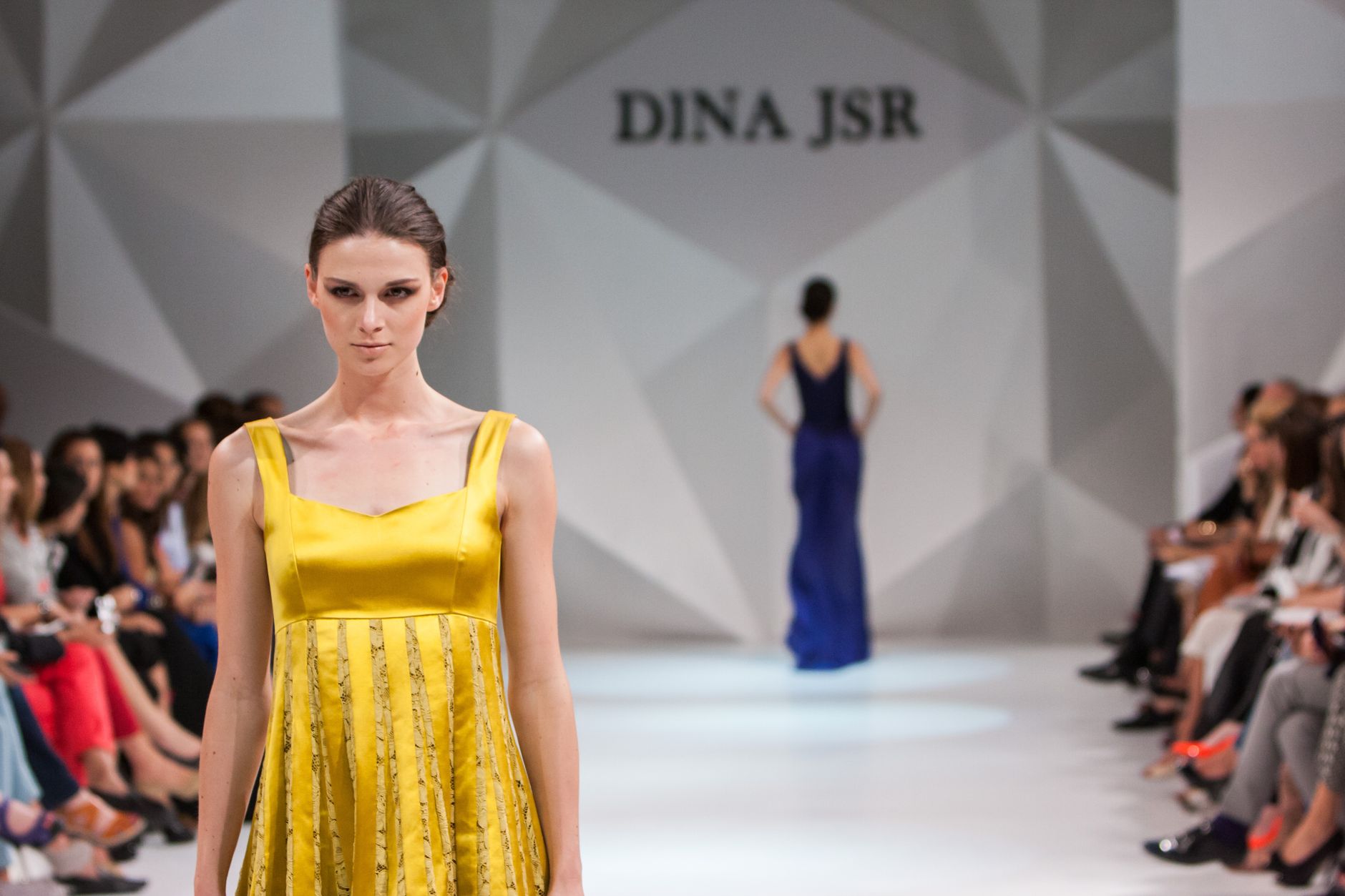
The clothes on a runway look perfect for a reason that has nothing to do with the models wearing them. Backstage at every major show, an army of stylists makes micro-adjustments that transform a garment's fit in seconds — adjustments that most people never learn about.
Now, sources say those techniques are finally getting the mainstream attention they deserve.
The Double-Tuck Method
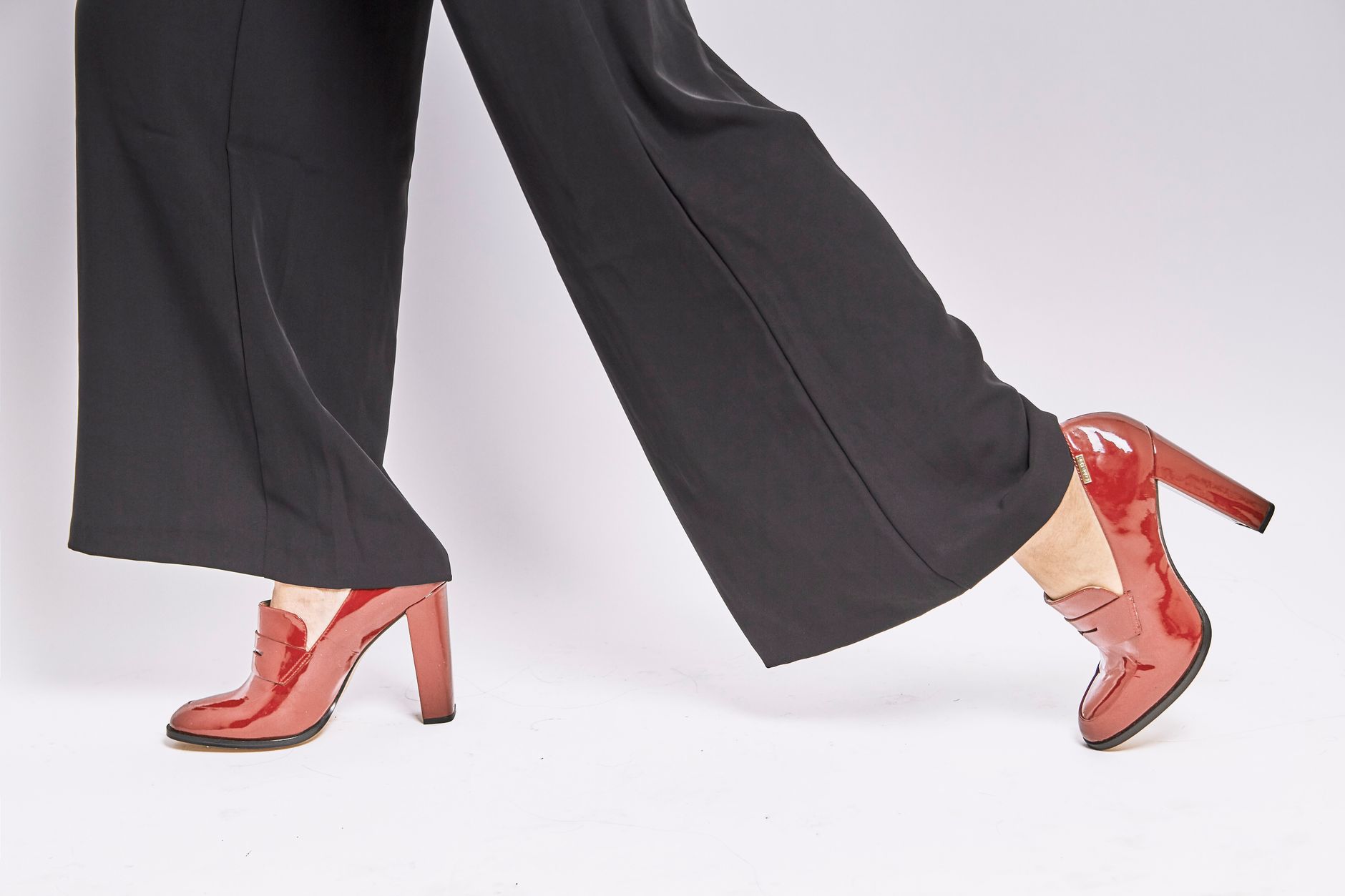
One of the most widely used backstage tricks involves what stylists call the double tuck: folding the waistband of any trousers or skirt inward twice — roughly 1.5 centimetres per fold — before putting them on.
"It raises the waist, eliminates the gap at the back, and changes the entire silhouette of the trouser," one stylist reportedly explained. "It works on almost any body type, on almost any cut."
The Bra Strap Anchor
A second technique that's reportedly crossed over from backstage into everyday use involves using a small safety pin to anchor a bra strap to the inside shoulder seam of a top or dress.
"It eliminates the strap entirely as a concern for the whole day," one fashion insider reportedly noted. "It sounds tiny, but it changes how you hold yourself."
Stacking vs. Layering
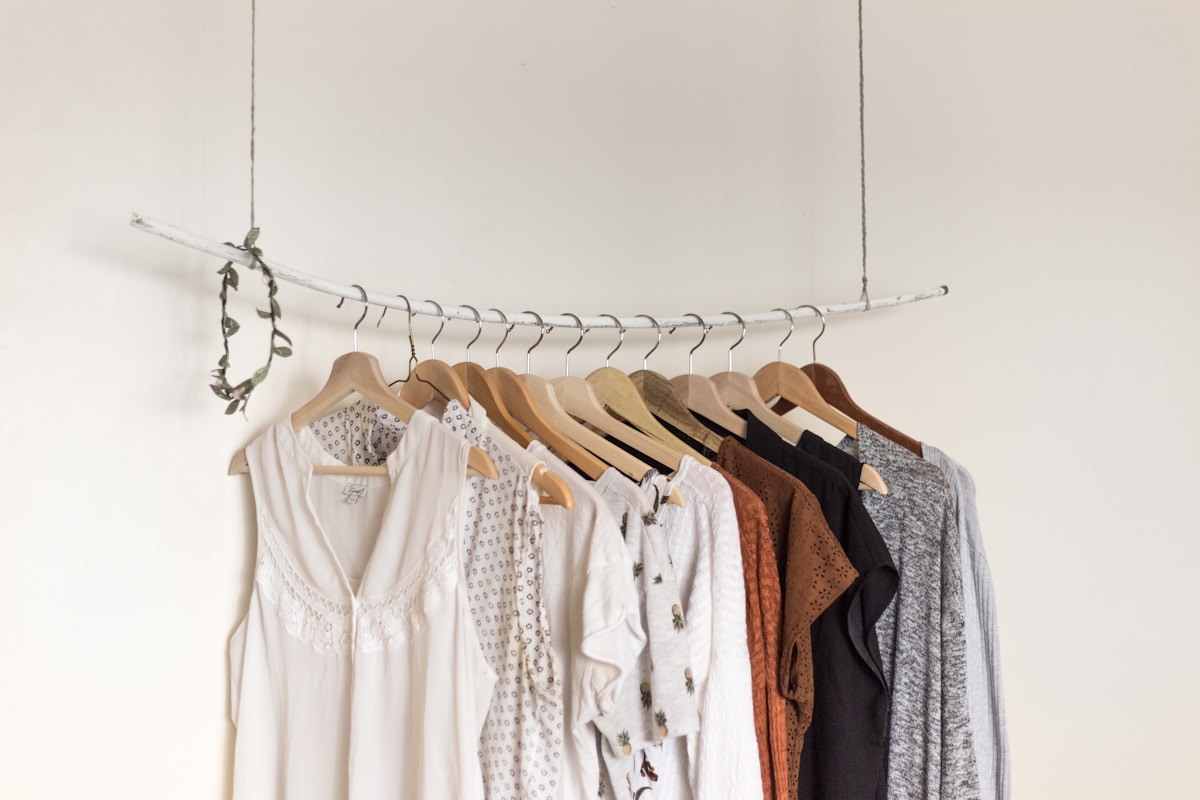
Stylists also draw a distinction between stacking (wearing two lightweight pieces that together create the visual weight of one) and layering (adding bulk). "Stacking is a sheer tee under a linen shirt," one reportedly said. "Layering is a jumper over a shirt. Stacking looks intentional. Layering often looks like you got cold."
The Takeaway
The techniques that make clothes look extraordinary on a runway are learnable, free, and require almost no time. According to stylists, the single biggest difference between a well-dressed person and one who isn't is almost never the price of the clothes — it's the details of how those clothes are worn.