The instruction to finish a skincare routine with cold water to close pores is among the most enduring beauty myths, passed between generations and repeated in beauty editorial without ever being challenged against basic anatomy. Pores do not have muscles and cannot open or close in response to temperature. Understanding what cold water actually does, and what it does not, improves skincare decision-making meaningfully.
What Cold Water Does Do
Cold water on the face produces vasoconstriction, the narrowing of blood vessels near the skin's surface. This temporarily reduces redness and puffiness, which is why cold water is genuinely helpful for morning routines when the face may be puffy from overnight fluid accumulation. The effect is real and immediate, but temporary rather than structural.
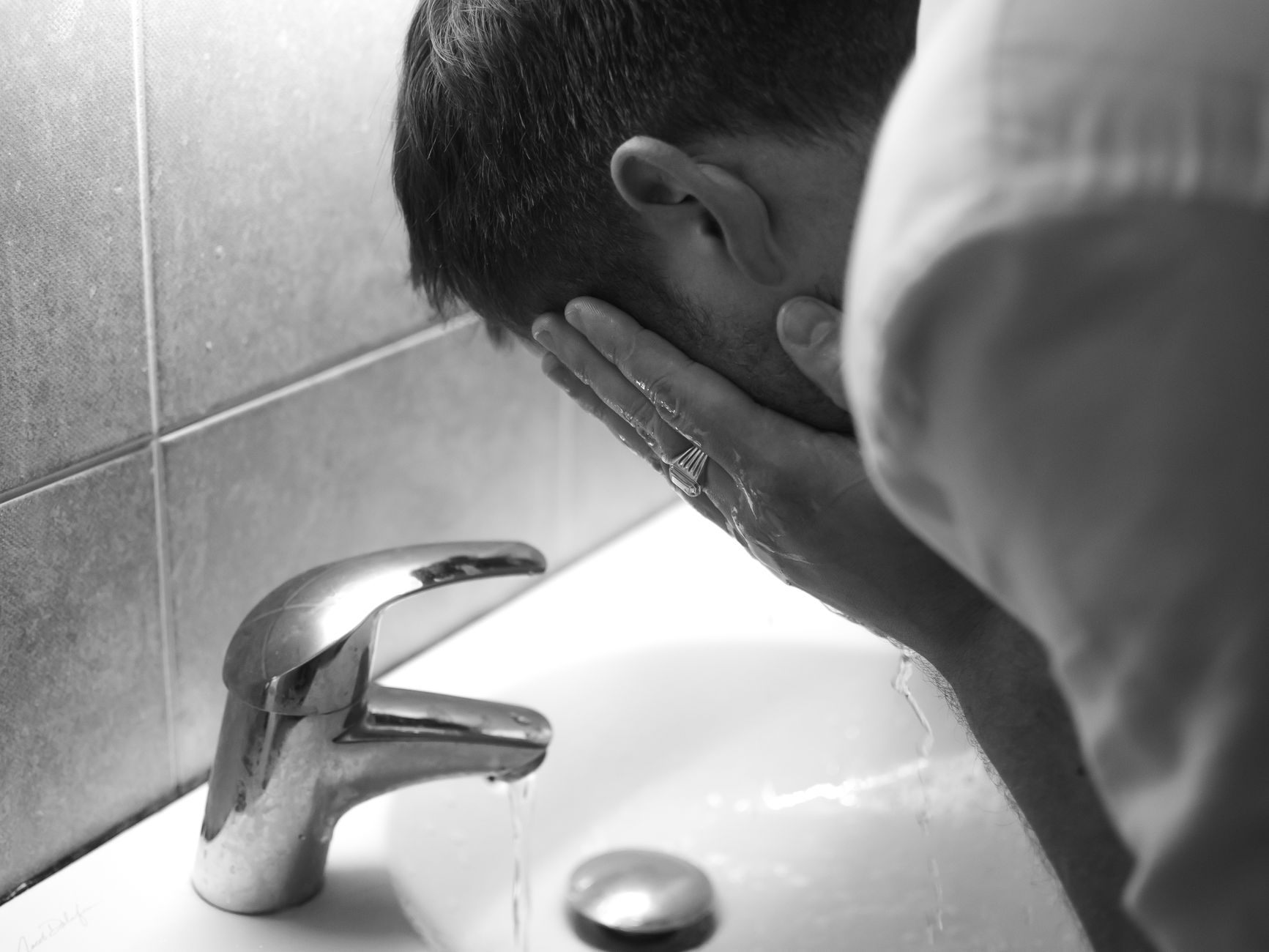
Cold water applied during cleansing affects how thoroughly the cleanser is rinsed away. Most cleansing formulas rinse more efficiently with lukewarm water than cold, because the surfactants remain more mobile at slightly elevated temperatures. Cold water alone after cleansing may leave residue that lukewarm water would have removed.
The Optimal Temperature Approach
The evidence-based approach is to cleanse with lukewarm water, which effectively dissolves cleanser without the barrier disruption associated with very hot water, and then rinse thoroughly with water at a comfortable temperature. If morning de-puffing is a concern, applying a cold gua sha tool or refrigerated eye patches directly to problem areas produces the vasoconstriction benefit more precisely than wetting the whole face with cold water.
Very hot water, above approximately 40 degrees Celsius, strips the skin's natural lipid layer and should be avoided, particularly in those with dry or sensitive skin.