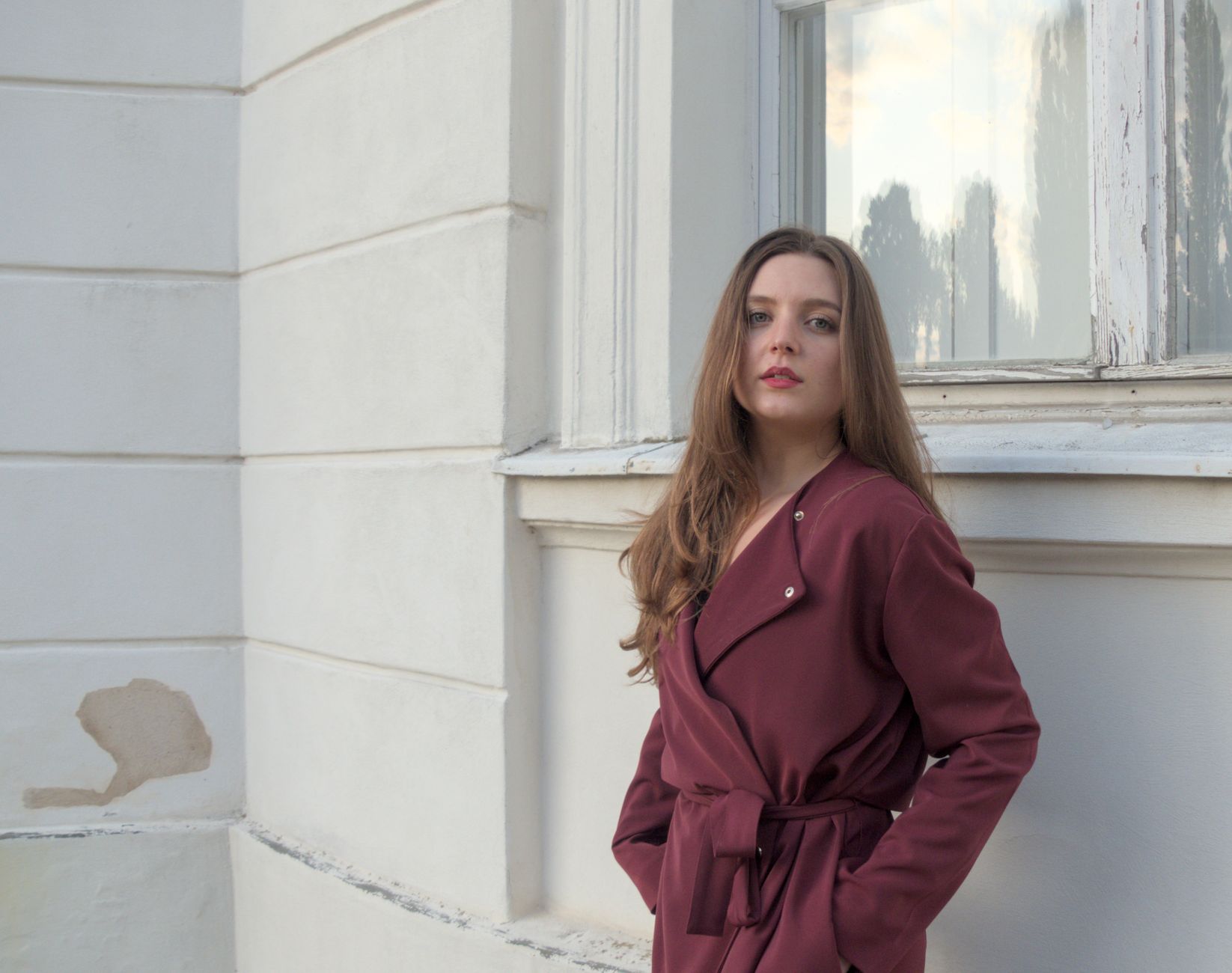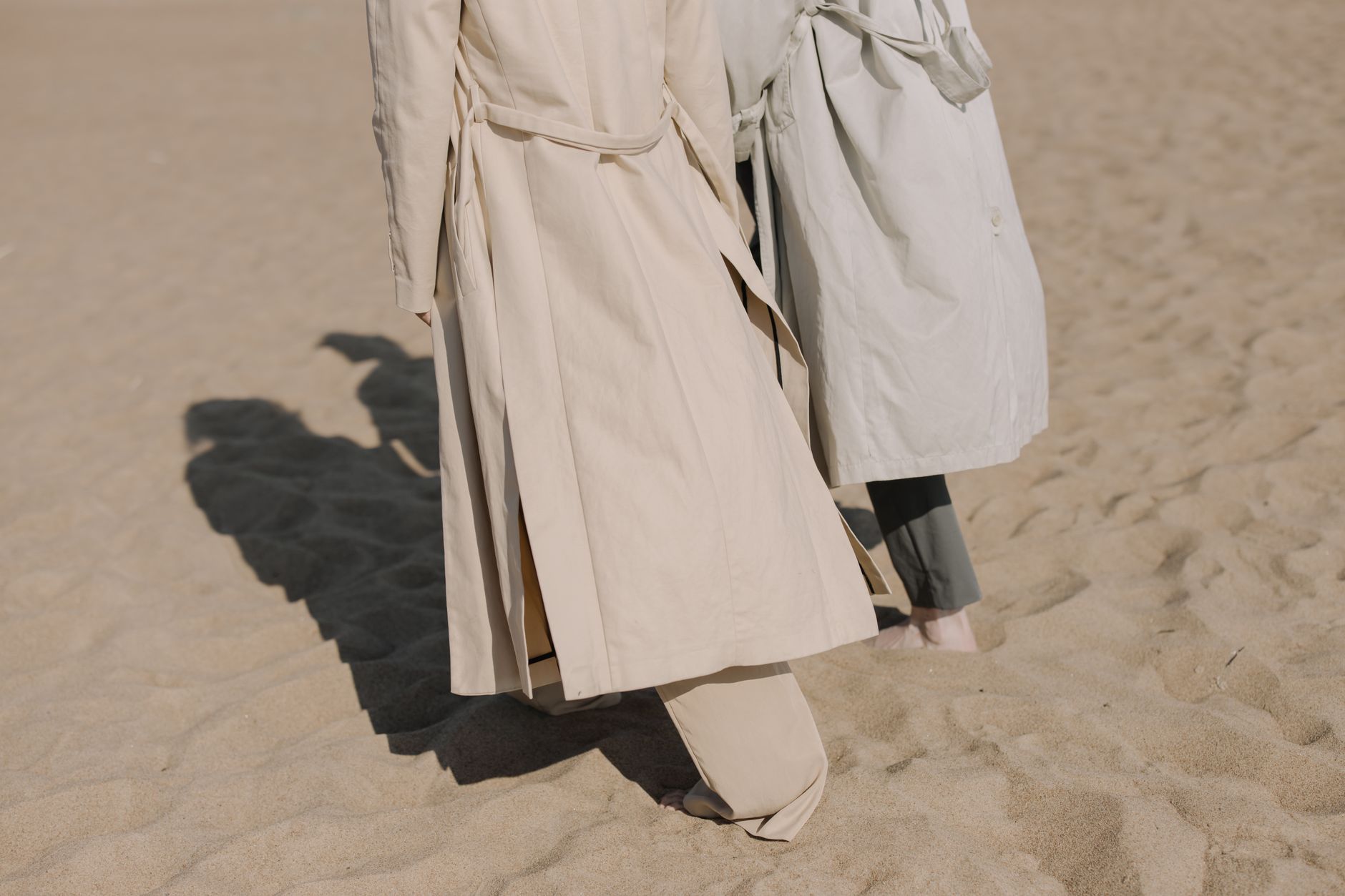
The trench coat has been a wardrobe staple since Thomas Burberry designed it for the British Army in the First World War, and its fundamental design has changed remarkably little in the century since. This longevity is not coincidence. The trench coat's proportions, its collar, storm flap, epaulettes, and belted waist, constitute a design solution that works independently of what fashion is doing in any given season.
What to Look for in the Fabric
The original trench coat fabric was gabardine, a tightly woven twill that repels water without being stiff. Quality contemporary trenches still use gabardine or similar tightly woven cotton twills. The fabric should feel substantial in the hand. Thin, lightweight fabric suggests cost-cutting that will result in rapid wear and a look that falls flat rather than draping properly.
The lining matters more than most buyers consider. A quality lining extends the garment's life by protecting the outer fabric from body oils and reducing friction from daily wear. Silk or acetate linings feel luxurious and indicate a manufacturer investing in longevity.
Length and Fit Considerations
The classic trench hits just below the knee, the length that photographs best and works across the widest range of contexts. Midi-length versions have become popular but can make petite frames appear shorter. The fit through the shoulders is non-negotiable: a shoulder seam that sits off the shoulder ruins the structured silhouette that makes the trench coat work. Buy for shoulder fit and have a tailor adjust the body if needed.