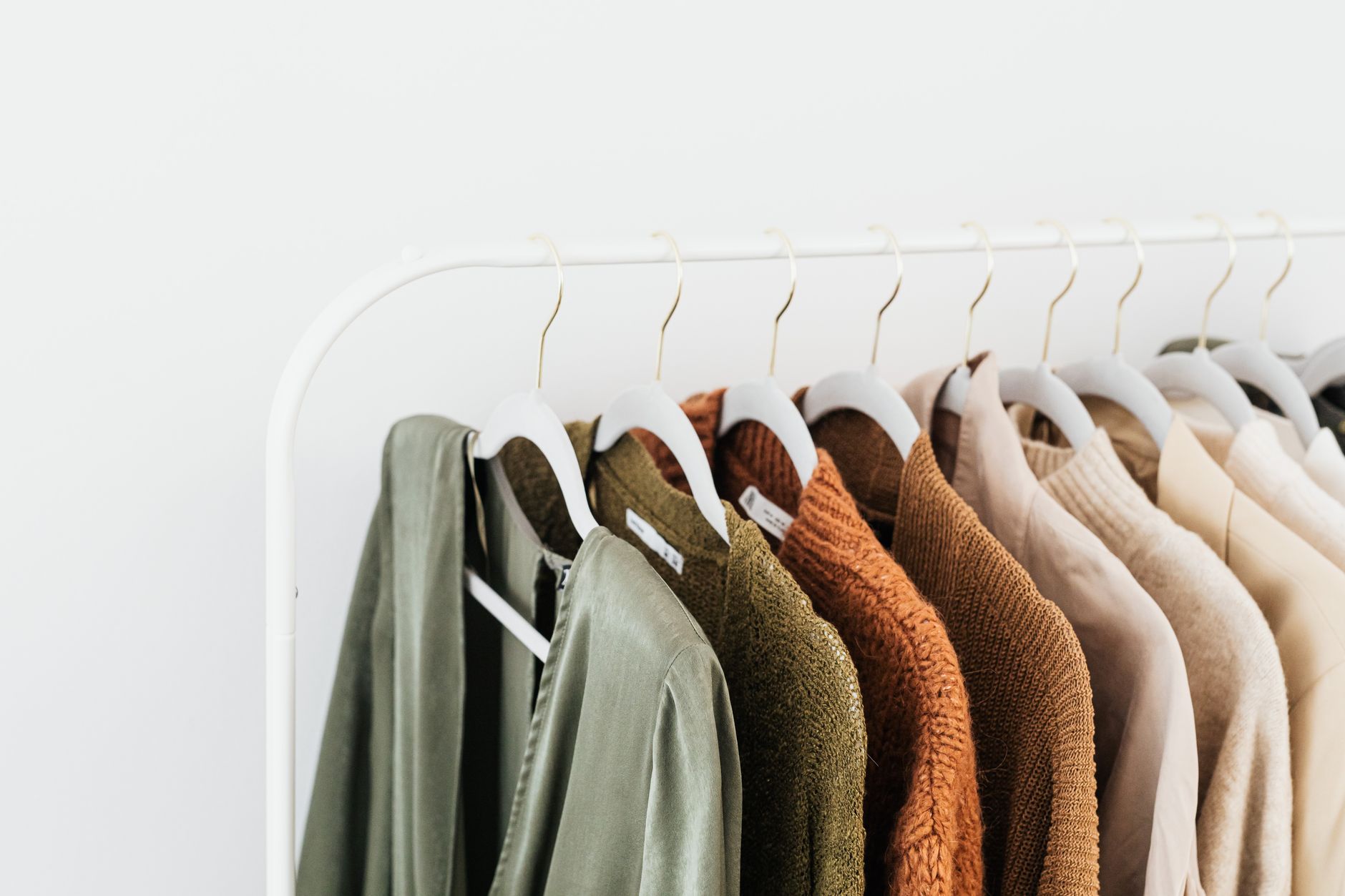
The capsule wardrobe concept has been around since the 1970s, when London boutique owner Susie Faux popularized the idea of a small collection of essential, high-quality pieces that could be combined into multiple outfits. Fashion editors, whose professional lives require consistent put-together appearances without wardrobe paralysis, have developed their own refined approaches.
Start With Your Actual Life
The most common capsule wardrobe mistake is building for the life you imagine rather than the one you live. If you work from home four days a week, a wardrobe heavy on structured blazers will largely sit unworn. The first step is an honest audit of where you spend time, work, social events, exercise, weekends at home, and what proportion of your wardrobe should serve each context.
Most editors recommend categorizing your time and building roughly in proportion: if 60 percent of your life is casual, 60 percent of your investment should go toward elevated casual pieces.
The 30-Piece Framework
The most functional capsule wardrobes contain between 25 and 35 pieces, not counting exercise wear, formal event clothing, and seasonal outerwear. Within those pieces, the ratio fashion editors consistently return to: roughly one-third tops, one-quarter bottoms, one-sixth layers and outerwear, and the remainder in shoes and key accessories.
Quality over quantity is the operating principle. One pair of well-made dark jeans that fit perfectly will outperform three pairs of mediocre alternatives. The pieces that earn a place in a true capsule wardrobe need to work with at least five other items in the collection, that versatility test being the editor's most useful shortcut.