Winter dressing presents a genuine functional challenge that summer dressing does not: the need to be comfortable in a heated office, in transit between buildings, and in outdoor temperatures that may be considerably colder, sometimes within the space of an hour. The layering system that addresses all of these contexts has been well-developed by outdoor clothing designers and is adaptable to everyday fashion.
The Three-Layer System
The outdoor clothing industry's three-layer system translates directly to everyday winter dressing. The base layer, worn against skin, manages moisture. The mid layer provides warmth through insulation. The outer layer provides protection from wind and precipitation. Each layer should be removable independently.
For fashion rather than purely functional contexts, the base layer is a fine-gauge knit or thin turtleneck. The mid layer is a sweater, cardigan, or structured jacket. The outer layer is a coat that fits comfortably over the mid layer without compressing it. This system allows adjustment at each point during temperature transitions.
The Proportion Problem
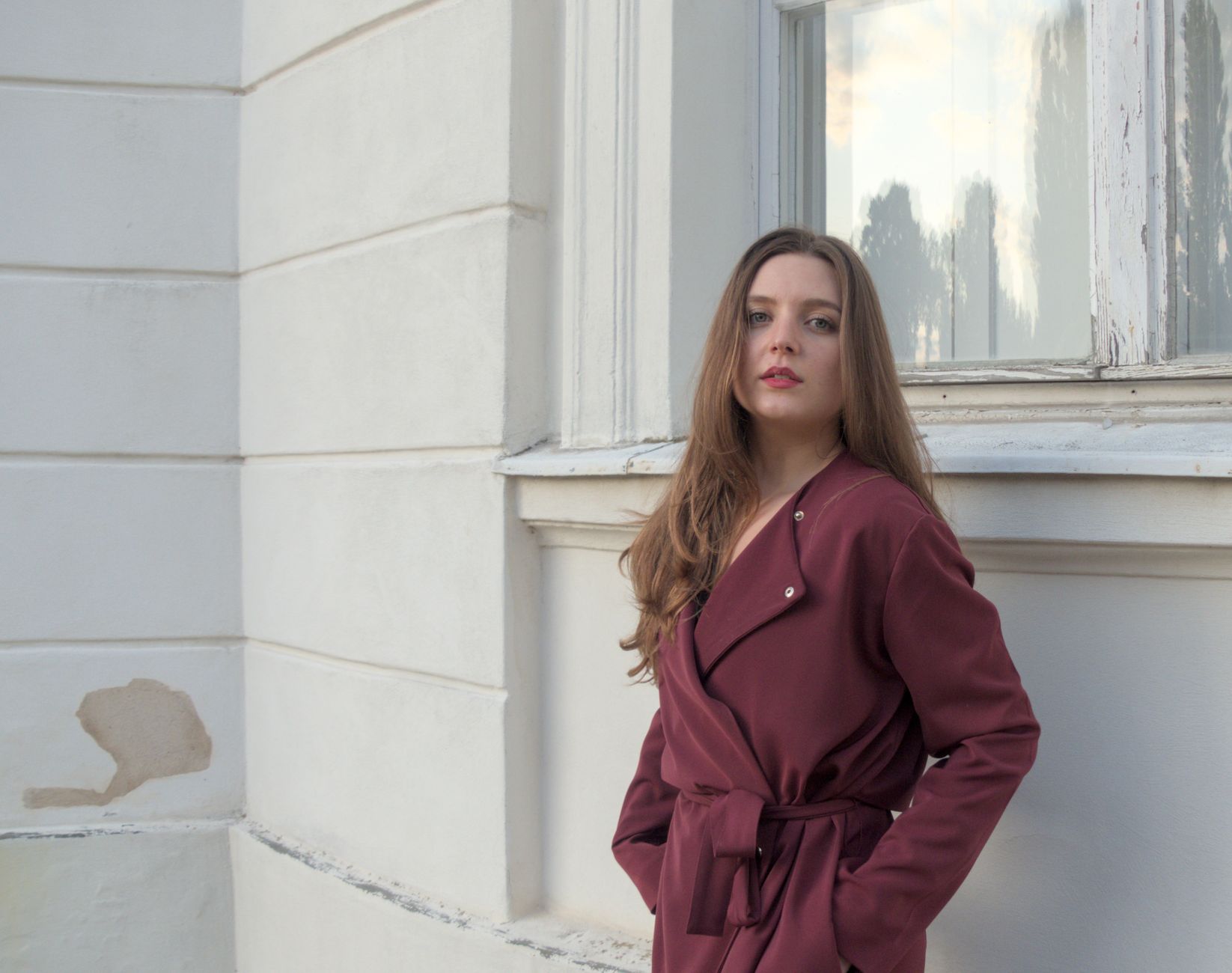
The most common winter layering failure is proportion: adding bulk without considering how layers interact visually. A fitted base, slightly roomier mid layer, and coat that falls in a clean line over both creates a silhouette that reads as intentional. Shapeless base, shapeless mid, and oversized coat reads as accumulated rather than composed.
Tucking the base layer into bottoms and allowing the mid layer to sit untucked creates visual separation between layers. Visible collars and cuffs from base layers add detail without bulk.