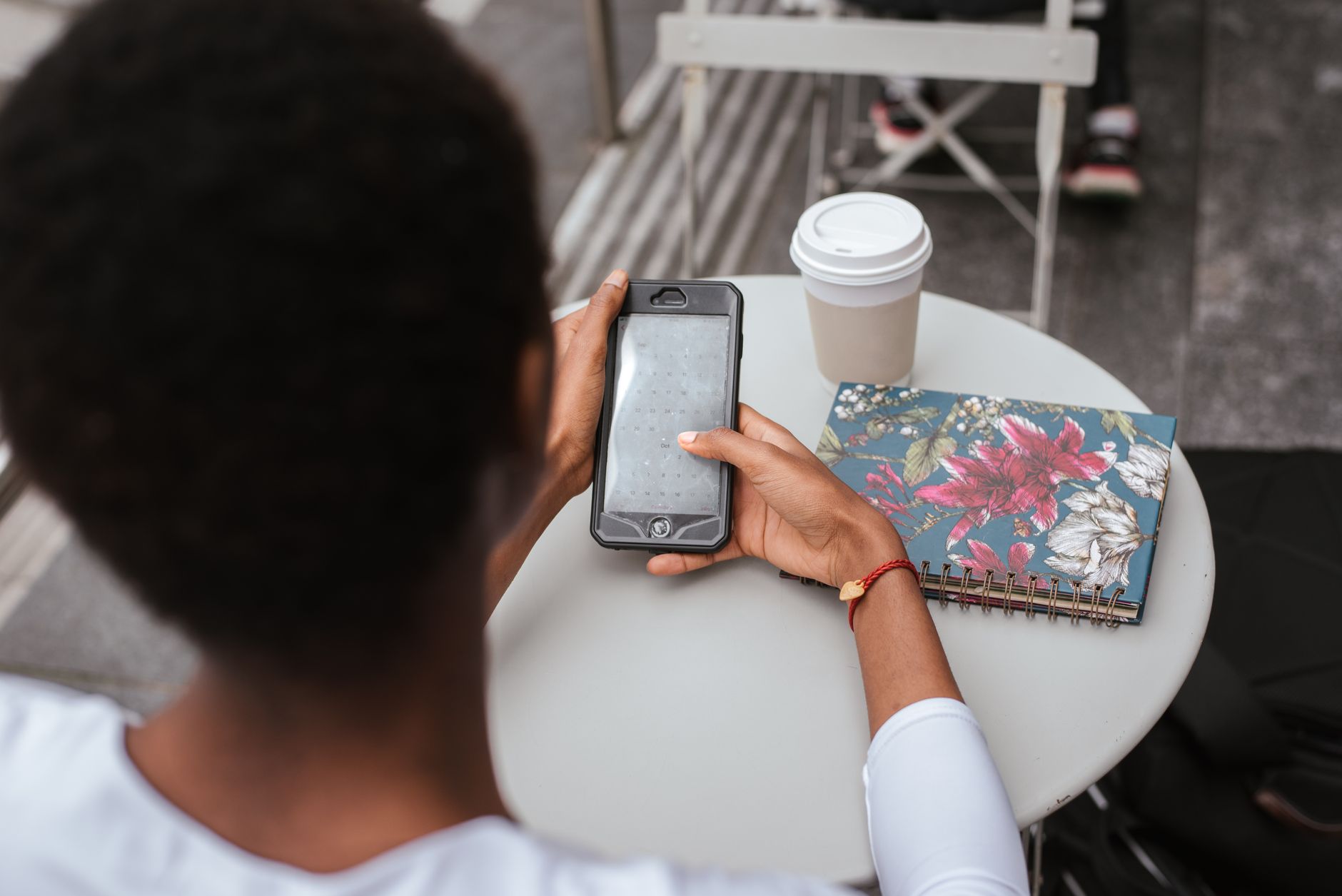
In much of the English-speaking world, busyness has become a status symbol. Being too busy to sleep, to cook a proper meal, to take a full vacation, these are worn as badges of importance. The cultural messaging is persistent: rest is for the weekend, and even the weekend should be optimized. The result is a population that is chronically sleep-deprived, overstimulated, and paradoxically less productive.
The Scandinavian Concept
Scandinavia offers perhaps the most coherent alternative framework. The Norwegian concept of friluftsliv, or open air life, describes a cultural value placed on unstructured time in nature, not for fitness goals but for the experience itself. Swedes practice fika: twice-daily coffee breaks that function as genuine social pauses. The Finnish practice of sauna is similarly a deliberate departure from productivity into sensation and presence.
Research on Scandinavian wellbeing scores consistently produces the top-ranked countries in the world, and while the causes are multivariate, the cultural relationship to rest is considered a contributing factor.
The Italian and French Models
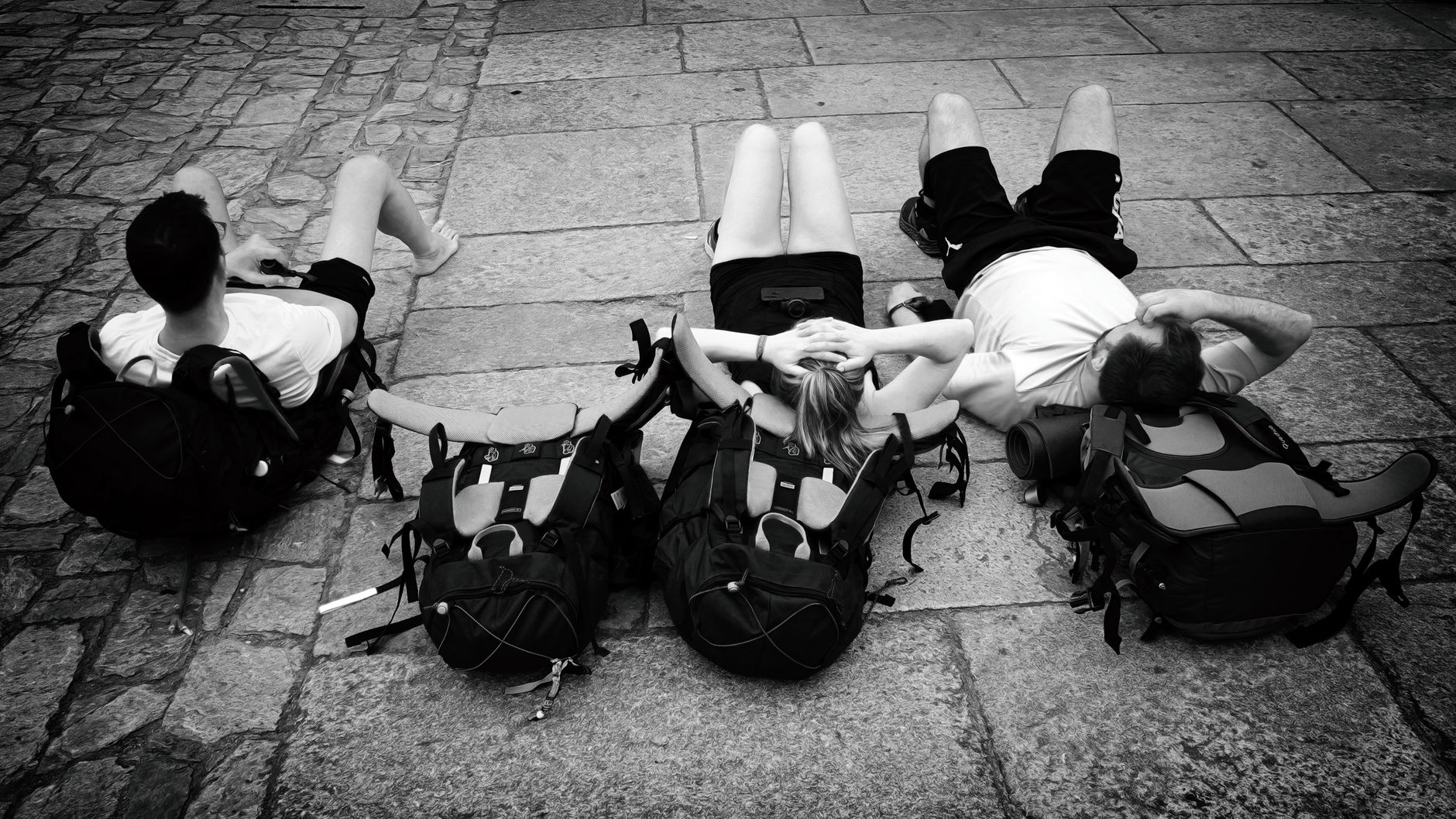
Italy's riposo, the afternoon rest period still observed in many parts of the country, is less about sleep than about a deliberate interruption of the day's productivity rhythm. The French concept of flanerie, wandering without destination, similarly represents a cultural legitimization of purposeless presence. These practices resist the productivity framework entirely: their value lies in the break they represent from efficiency, not in what they produce.
The research case for deliberate rest is straightforward. Daytime rest periods reduce error rates and improve creative problem-solving. The question is whether a culture will give its members permission to rest without guilt.