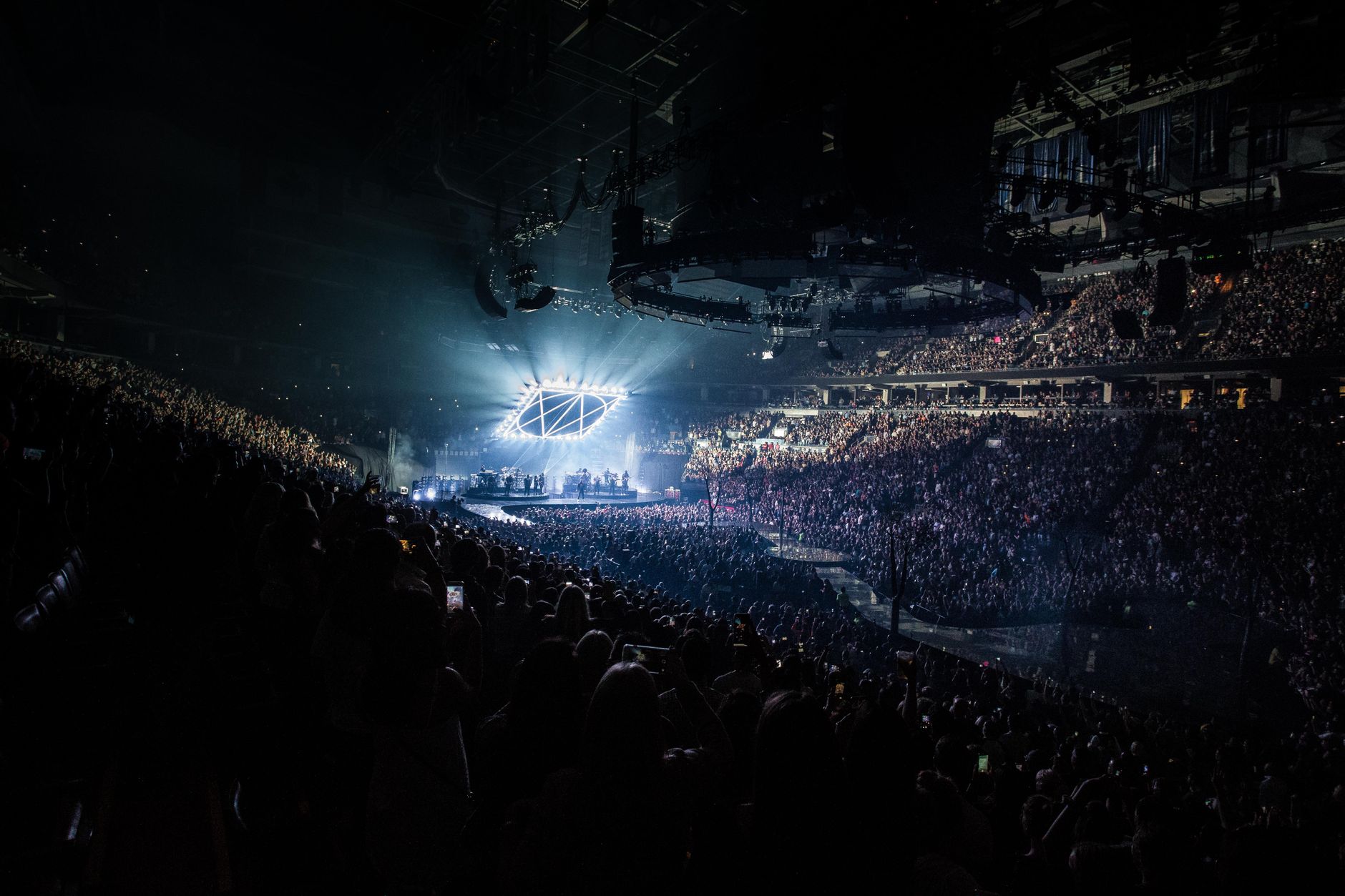
Taylor Swift's Eras Tour did not just break concert attendance records. It triggered a global conversation about the relationship between artistic eras and visual identity. Swift and her creative team made deliberate choices about how each era would look, feel, and sound, and the beauty element was as thoughtfully constructed as the set list.
The Looks That Defined Each Chapter
The Lover era brought rhinestone-studded butterfly looks and glossy, pink-adjacent lips that matched the album's confectionary optimism. Swift's skin during this section was dewy and glowing, with highlighter on the high points of the face. It read as youthful and unguarded, the visual language of early romantic joy.
Folklore and Evermore shifted everything into a different register. The golden hour light show was matched by braided, undone hair and barely-there makeup, a cool-toned, natural look that felt literary rather than pop-star glamorous. This was arguably the most influential beauty era of the tour because it aligned with the rise of the clean girl aesthetic and gave fans a template that felt achievable.
The Reputation and 1989 Visual Power
Reputation brought high-contrast drama: dark, defined liner, deep berry lips, and sleek intentional hair. 1989 countered with bright, confident coloring, red lips, sharp cat liner, and the blunt bangs that became synonymous with Swift's pop-era identity. Both looks achieved what great era-specific beauty should: they felt absolutely inevitable in context, as if no other choice could have made sense.