The work wardrobe carries a particular burden: it must function every day, hold up to frequent wear and cleaning, communicate appropriate professionalism, and ideally express something of who you are rather than who you are performing. When it stops doing these things adequately, the temptation is to replace everything at once, which rarely produces the intended result.
The Edit First
Before buying anything, a thorough edit of what already exists identifies more opportunity than most people expect. The useful question applied to each piece: does this fit well right now, is it in good repair, and does it make me feel competent when I wear it? Pieces that fail any of these tests should be removed regardless of original cost.
Many work wardrobes contain excellent pieces obscured by less successful ones. Clearing the latter reveals what actually functions and what is missing.
The Strategic Additions
The categories with the highest impact for the lowest number of pieces: a single well-fitting blazer in a neutral, a pair of trousers in a quality fabric that fit perfectly, and one or two high-quality blouses or shirts in neutral colors that work with everything else. These additions, chosen for fit and quality, will transform what already exists in the wardrobe more than replacing multiple lower-quality pieces.
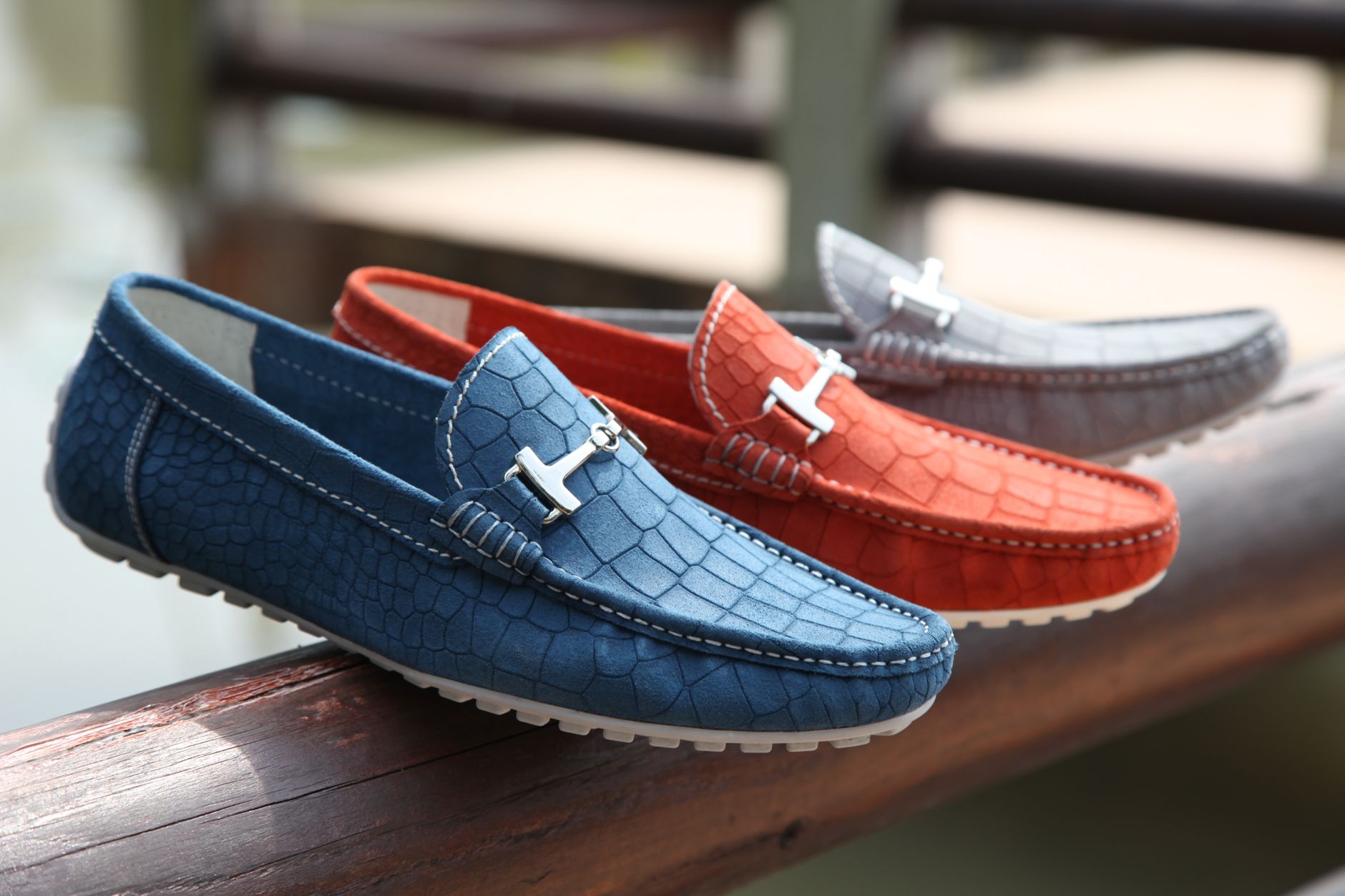
Shoes and accessories disproportionately affect how a work outfit reads. A dated or visibly worn shoe makes a well-chosen outfit look less considered. Investing in shoe quality and maintenance, resoling rather than replacing, polishing leather regularly, creates a visible return that clothing upgrades alone do not produce.