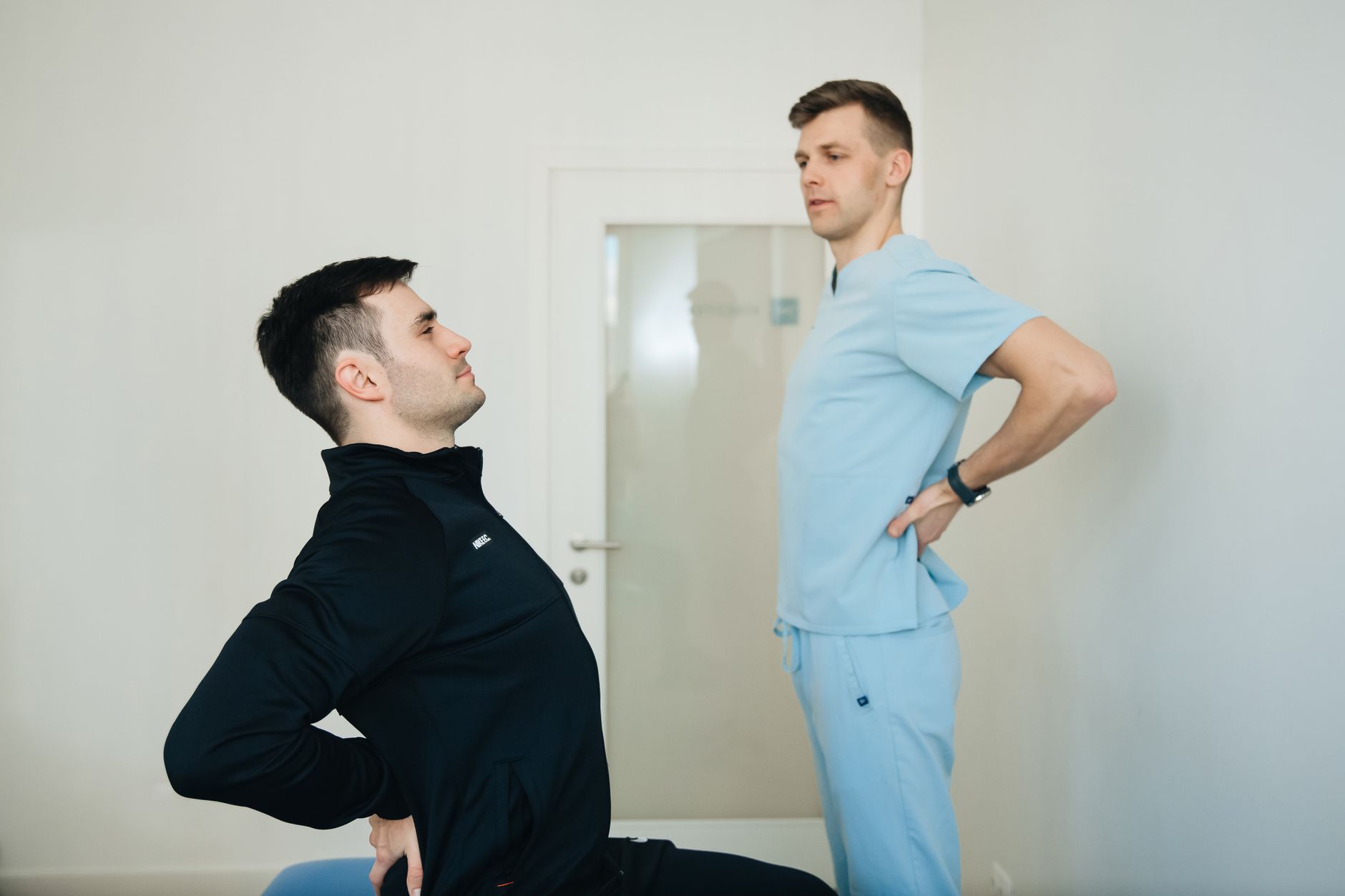
Posture is not simply about how you hold your body; it reflects the structural adaptations your muscles have made to the positions you habitually maintain. A desk worker with rounded shoulders and forward head posture has developed shortened chest muscles and elongated, weakened upper back muscles that pull their posture into that configuration even when they consciously try to straighten. Exercises that address both sides of this equation produce genuine improvement; advice to simply stand up straight does not.
The Two-Part Solution
Correcting postural problems requires two simultaneous interventions: stretching the muscles that have become shortened and strengthened the muscles that have become elongated and weak. Stretching alone relaxes tight muscles temporarily without producing the counter-pull that maintains improved position. Strengthening alone does not resolve the restriction from tight opposing muscles.
The Most Effective Exercises
For the rounded shoulder pattern common in desk workers: chest doorway stretches held for 60 to 90 seconds (stretching shortened pectorals) combined with band pull-aparts and rows (strengthening weakened rhomboids and lower trapezius). This pair addresses both sides of the shoulder-rounding equation.
For forward head posture: chin tucks performed throughout the day (activating deep cervical flexors) combined with levator scapulae and upper trapezius stretches. Three to four chin tucks hourly during a work day produce significant improvement within weeks.
For anterior pelvic tilt from prolonged sitting: hip flexor stretches combined with glute bridges and dead bugs that strengthen the glutes and deep core. These opposing interventions address the muscular cause rather than simply cueing better posture.