Janelle Monáe's fashion has always functioned as argument. The black-and-white tuxedos that defined her early career were not simply a style choice but a deliberate statement about professionalism, gender, and the terms on which she would enter the music industry. The evolution from those early looks to the more fluid, transgressive fashion of recent years follows a coherent intellectual logic.
The Tuxedo Period and Its Meaning
Monáe wore almost exclusively black and white tuxedos and tailored separates for the first decade of her public career, a choice she articulated explicitly: she wore what domestic workers, the women who formed the backbone of her family's working life, wore as their uniform, elevating it into art and professional dress simultaneously. The choice was deeply personal and politically conscious.
The tuxedo also refused to perform gender in the ways that female artists are conventionally expected to. In a music industry that routinely demands sexualization as a condition of attention, wearing a tux was both refusal and artistic statement.
The Evolution
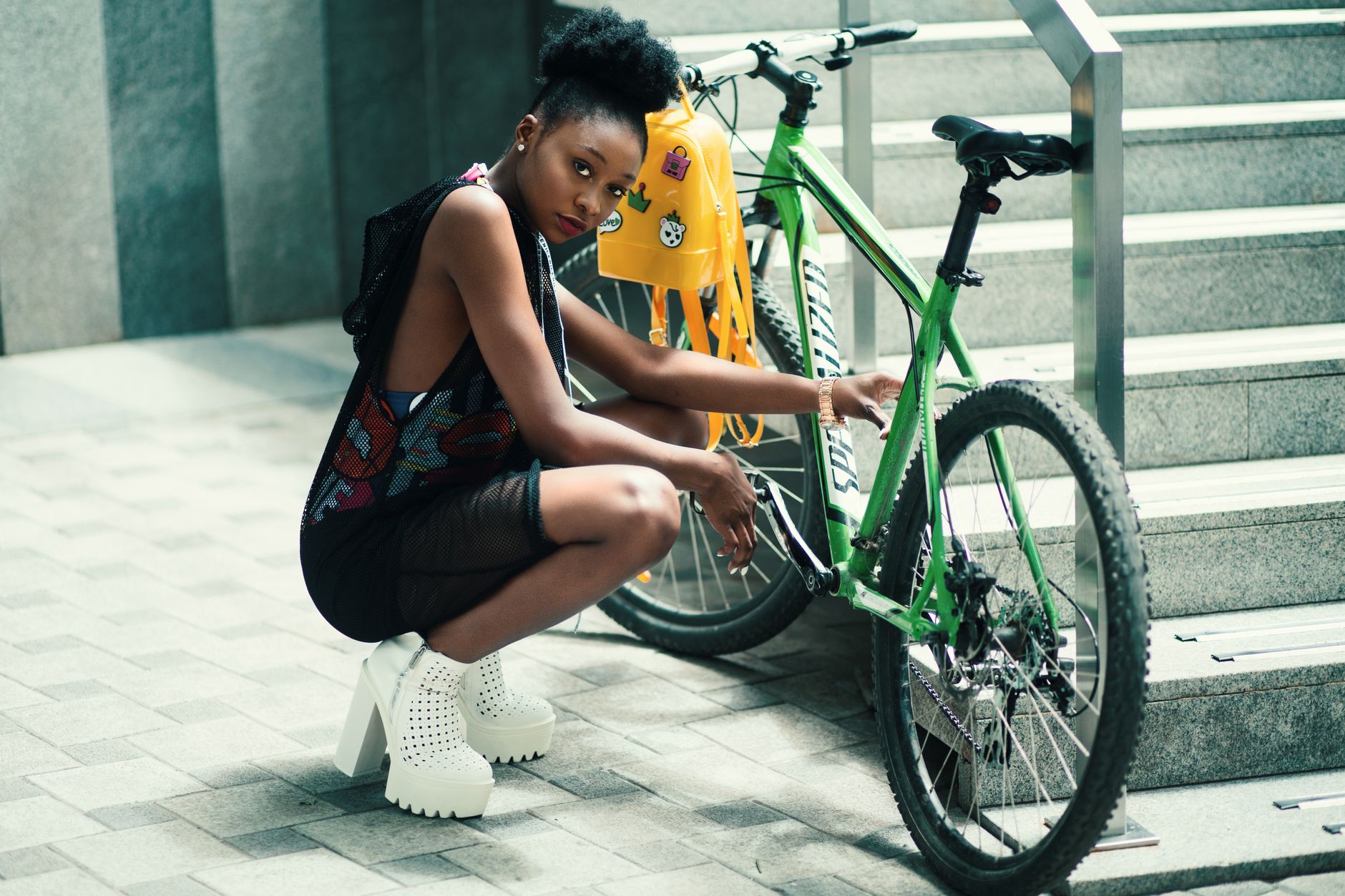
The more fluid, gender-transgressive fashion of recent years reflects Monáe's public journey with her identity and the freedom that comes from established artistry. The fashion has become more experimental, more referencing avant-garde design, and more explicitly playing with gender categories in ways that her early career tuxedos were more implicitly doing.
Both periods reflect the same underlying principle: fashion as intentional statement rather than promotional tool, chosen with reference to who she is and what she believes rather than what is currently expected.