The research on creative engagement is unambiguous in its conclusions: creative hobbies produce wellbeing benefits through multiple mechanisms simultaneously. Flow states, the absorbing present-moment engagement that challenging creative work produces, are among the most powerful natural stress-reduction experiences available. The sense of visible progress and completed work provides accomplishment that digital entertainment does not.
Less Obvious Creative Paths
Bookbinding combines craft, problem-solving, and the creation of beautiful functional objects. The skills are learnable through workshops or YouTube tutorials and require modest equipment investment. The result is handmade notebooks and journals that have genuine beauty and usefulness.
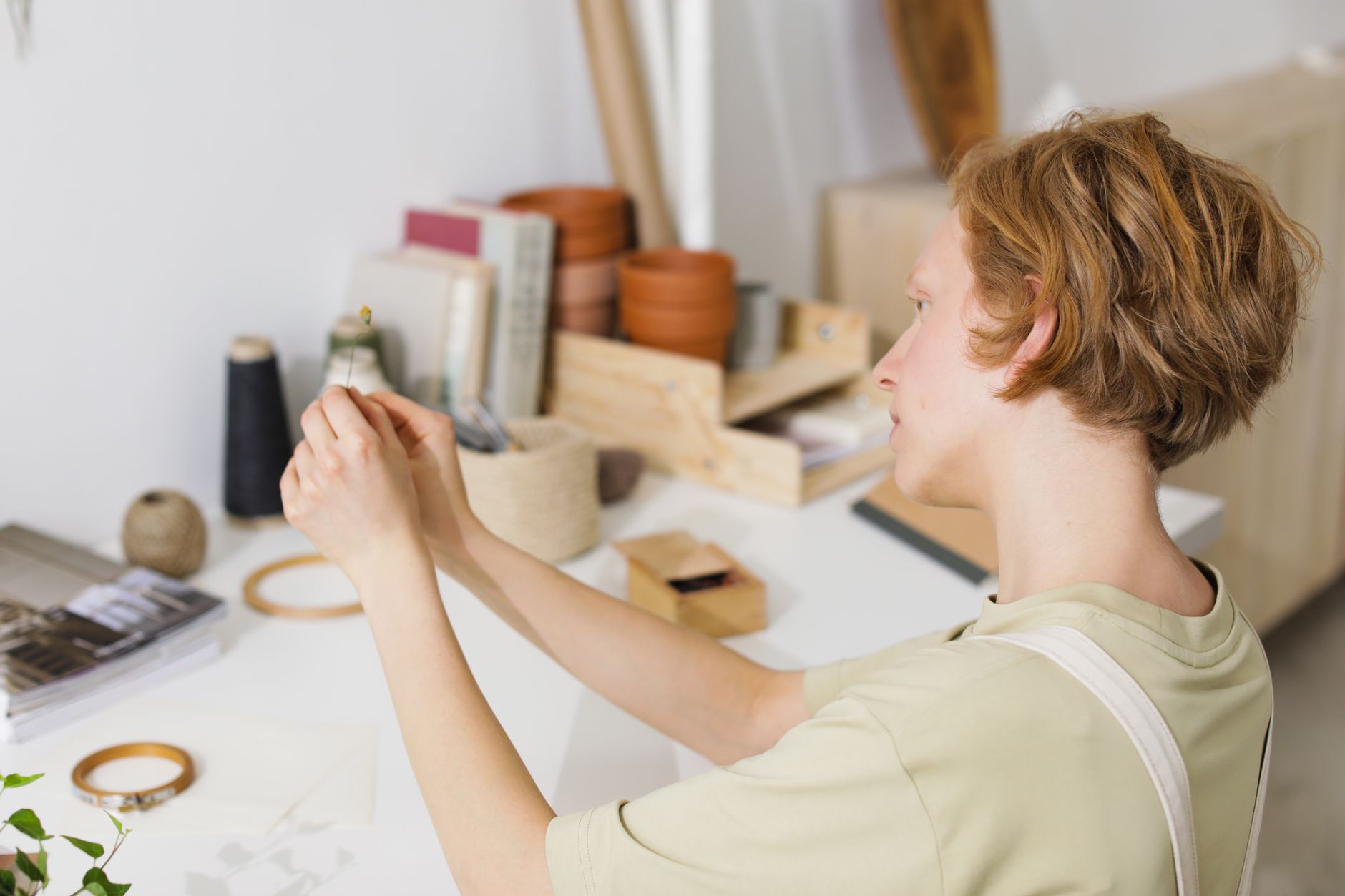
Textile dyeing, specifically natural dyeing with plant materials, connects craft with gardening and chemistry in an absorbing combination. The color results from natural dye baths are subtler and more complex than synthetic dyes, and the process of extracting color from plants like weld, madder, and indigo produces a different quality of engagement than following a formula.
Hand lettering and calligraphy provide a creative outlet with immediate visible results and a relatively shallow learning curve. Modern brush lettering in particular requires only a brush pen and practice to produce recognizable results within weeks.
Making a Hobby Stick
The creative hobby abandonment pattern mirrors other habit failures: too much equipment acquired before skills develop, expectations of immediate quality that beginner work cannot meet, and no community to provide accountability and context.
Starting with the minimum viable equipment, expecting and accepting beginner-quality output, and finding either a class or an online community of practitioners, addresses all three failure modes. The enjoyment of creative process rather than output quality is the orientation that sustains long-term engagement.