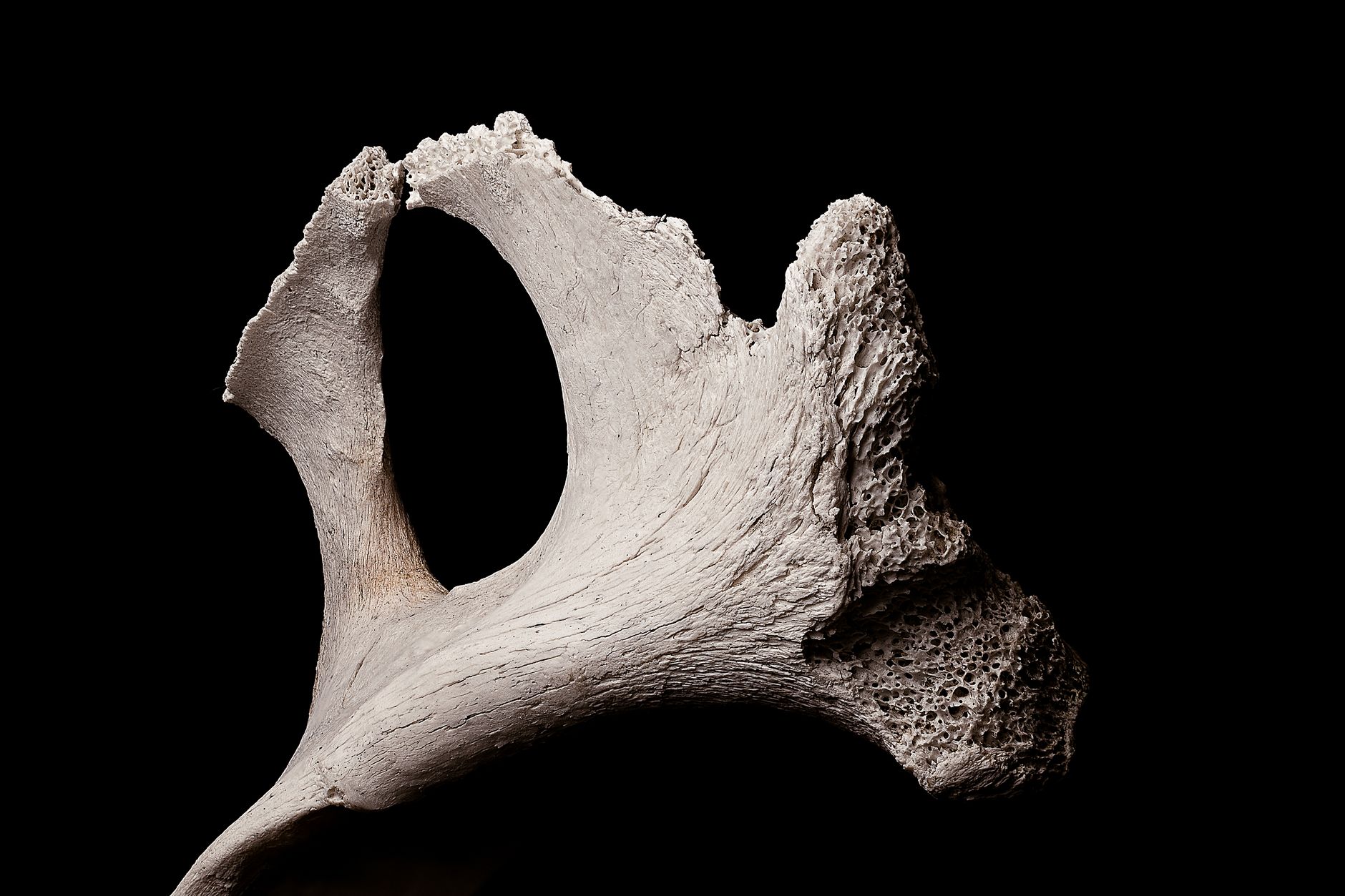
Bone density follows a predictable trajectory: it peaks in the late twenties, remains relatively stable through the thirties and forties, and declines more rapidly with the estrogen loss of menopause. The significance of this trajectory is that the most important window for bone-building is in the first three decades of life, but protective interventions remain valuable at every age.
The Calcium and Vitamin D Partnership
Calcium is the primary mineral in bone tissue, and adequate calcium intake is necessary for bone maintenance throughout life. Adult women need approximately 1,000 to 1,200 milligrams of calcium daily, an amount most easily met through dairy products, fortified plant milks, leafy green vegetables, and canned fish with edible bones.
Calcium absorption without adequate vitamin D is compromised, which is why vitamin D deficiency undermines bone health even when calcium intake is adequate. The two nutrients work in partnership: calcium provides the raw material for bone, vitamin D ensures that calcium is absorbed from the digestive tract and directed toward bone.
The Exercise Factor
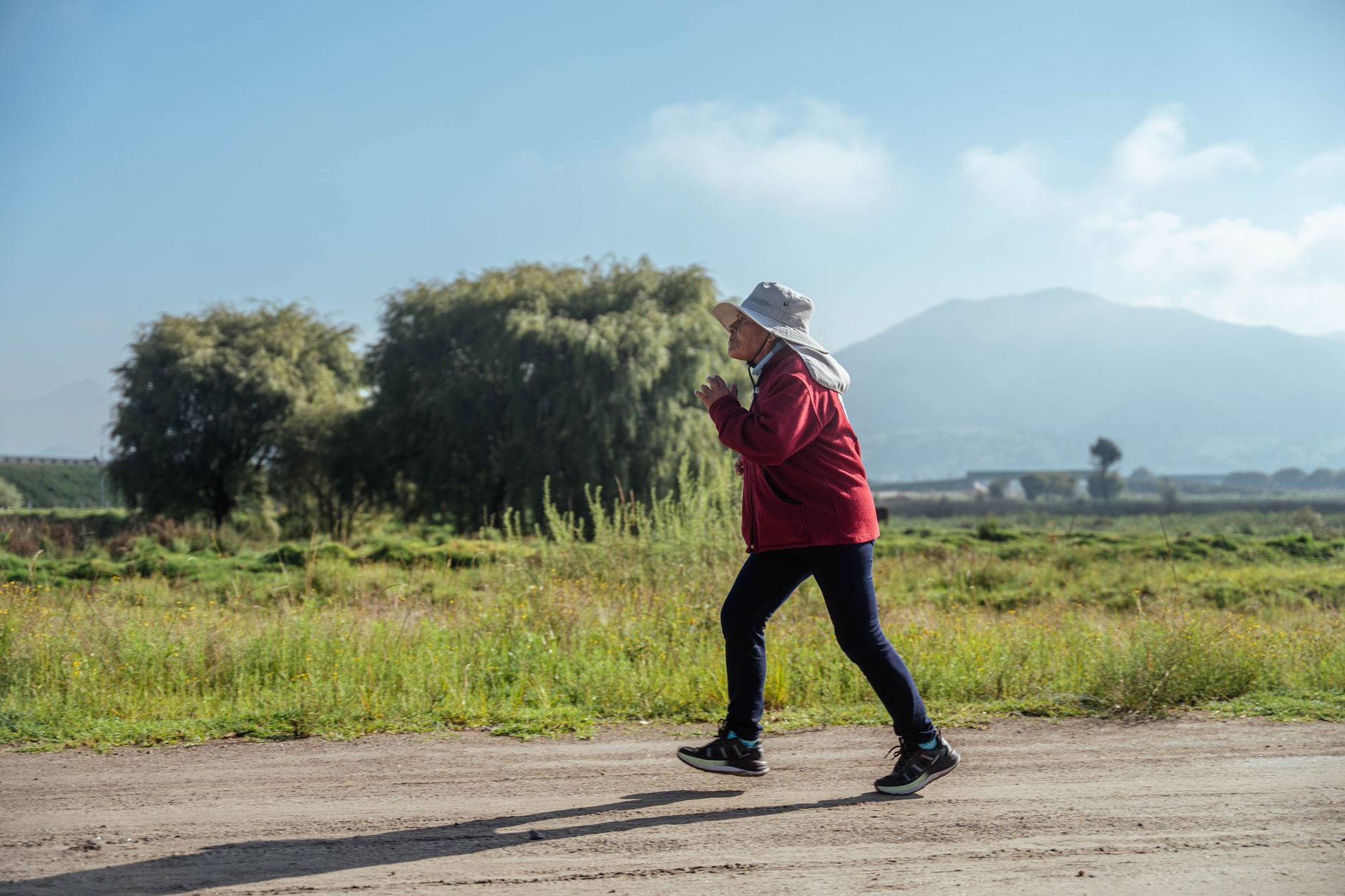
Weight-bearing exercise, which includes all exercise performed on your feet against gravity, is the most powerful lifestyle determinant of bone density outside of hormonal status. The mechanical stress of weight-bearing exercise stimulates osteoblast activity, the cells responsible for building new bone tissue. Swimming and cycling, despite being excellent cardiovascular exercises, do not provide this bone-building stimulus.
Resistance training provides additional bone benefit through the mechanical pull of muscles on bone tissue during contraction. Women who lift weights maintain higher bone density than those with equivalent cardiovascular fitness but no resistance training.